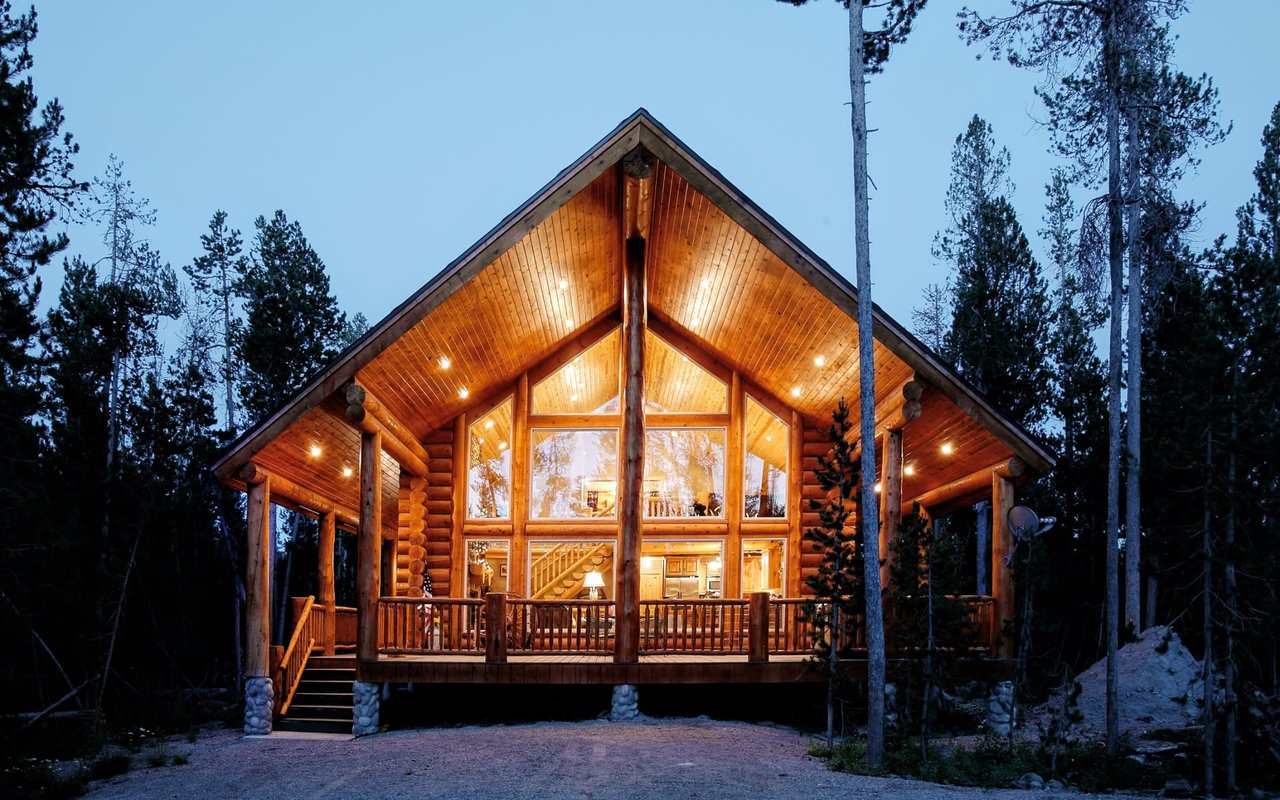
What Actually Makes One Tahoe Home Worth More Than Another?
One of the biggest challenges with pricing real estate in Lake Tahoe is that two homes can look very similar on paper and still have very different values.
They could have the same number of bedrooms and bathrooms, similar square footage, and even be located one street apart, but that doesn't necessarily mean buyers are going to value them the same way.
There are so many little factors that come into play here that aren't always obvious when you're simply looking at comparable sales or scrolling through listings online. After showing homes and listening to buyer feedback, I've noticed that buyers aren't just buying the house itself in Tahoe. They're also buying the setting, privacy, views, access, and that feeling of having a place at the lake.
Lake views play a huge factor in value around Tahoe, and they're one reason a home on one street can be worth considerably more than a similar home on the next street over.
Even a filtered or peek view can add value compared to having no lake view at all. But there can be a significant difference between a partial view and a panoramic, unobstructed view.
Location matters too.
A home on the lake side of the highway with a panoramic view is very different from a home where you're looking across the highway to see the lake. Once you get to the lake side of the highway with great views, that's generally where things start getting much more expensive.
Where you see the lake from inside the house matters as well. Buyers tend to really appreciate views from the areas where they'll spend most of their time—the kitchen, living room and deck.
I also see sellers sometimes overestimate their home's value because it has a lake view. They'll automatically compare their property to other lake-view sales without considering the quality of those views. A filtered view, partial view and panoramic view aren't necessarily going to be valued the same way by buyers.
Dollar Point is a great example of how much location can change within the same neighborhood. Edgewater Drive and Observation Drive literally connect, but Edgewater includes lakefront properties with clear lake views. Observation may have properties with views as well, but it's a busier street and those views may not be unobstructed.
That's why simply saying two homes are in the same neighborhood doesn't always tell the entire story.
Another factor I think gets overlooked is state-owned or conservancy land surrounding a property.
Buyers may not immediately notice this when they're looking at the listing online, but once they're standing at the property, they tend to understand the benefit.
If conservancy land is behind or next to the house, there's the added privacy and security of knowing someone isn't realistically going to build another house right outside your back door or directly next to you.
I've noticed buyers really appreciate that peaceful feeling when they're physically at the property. Sometimes there's even a creek nearby that you can hear, which adds another layer to the experience.
A lot of Tahoe buyers are looking for a second or vacation home. They want somewhere that feels like an escape, and privacy and serenity can become very valuable once they're actually standing there.
This is one of the more interesting things I've noticed from showing homes.
You might assume that a completely remodeled, modern home would automatically sell faster or for substantially more than an older cabin. That's not necessarily what I see.
Buyers certainly don't want something that feels extremely dated, but many buyers still love an updated Tahoe cabin. Knotty pine ceilings, wood trim and certain wood flooring can actually be features buyers gravitate toward when they're in good condition.
For a vacation-home buyer, that cabin feeling can be part of what they're looking for.
If they already live in a brand-new, modern home somewhere else, they don't necessarily want to come to Tahoe and feel like they're in another version of their primary residence. They want their Tahoe house to feel cozy and different. It's part of the escape and the overall lake-life experience.
I've shown newly remodeled properties where the buyer feedback was essentially, "It just doesn't feel like I'm at the lake for the weekend."
That's especially interesting when the newer property is priced higher because of all of its new finishes.
I've also noticed remodels can feel disjointed when they're done without considering the rest of the house. Painting original brick to make one area feel more modern doesn't always work when the rest of the house has a cozy cabin aesthetic. The same thing can happen when someone completely modernizes one bathroom while leaving the rest of the house in a very different style.
Sometimes maintaining the character of the house while updating what's needed works better than trying to make an older Tahoe cabin look like a completely different property.
A-frames are another good example of why square footage doesn't tell you everything.
They're quintessentially Tahoe and buyers may initially love the look, price or other features an A-frame offers. But once they're physically inside, I hear different feedback.
Because of the sloped walls and roofline, upstairs rooms can feel much smaller than buyers expected. So even though that space may be reflected in the home's overall square footage, buyers don't always feel like they're getting the same amount of usable space.
I've had buyers specifically comment on upstairs rooms feeling small in A-frame homes.
That doesn't mean buyers don't like A-frames. It just means the way a house actually uses its square footage can be just as important as the number itself.
HOA amenities can also play a much bigger role than an out-of-area buyer might initially realize.
I've worked with buyers who will only consider properties that have certain HOA access and benefits.
For someone who can't or doesn't want to purchase a lakefront or split-lakefront property, an HOA can provide access to some of the things they're really coming to Tahoe for—a private beach, pier, buoy field or other recreational amenities.
For buyers with boats, pier and potential buoy access can be especially valuable because of the convenience.
But it isn't only boat owners who care.
Families may love having access to a pool, private beach, pickleball courts or other amenities they can use while they're here.
One important thing buyers need to understand, though, is that having access to an HOA with a buoy field doesn't necessarily guarantee you're going to have a buoy immediately. Some HOAs have waitlists and many operate through lottery systems. I've also seen HOAs where spots tend to open up each year, which can be reassuring for a new buyer.
This is something I would always recommend verifying directly with the individual HOA because the rules and availability can vary.
Highway noise is something buyers comment on frequently.
For families, it isn't always just the noise either. Safety can become part of the conversation when you have children or dogs and there isn't much usable land separating the house from the highway.
That doesn't mean buyers automatically rule those properties out.
Split-lakefront properties are a perfect example. You may own the home on the non-lake side of the highway while also owning a parcel across the highway that provides lake access and potentially a pier.
Some buyers are willing to accept the highway in that situation because they're getting lake access at a price that may be lower than a true lakefront property.
It also depends on the individual house. If it's set high enough or far enough back from the road that the highway isn't as noticeable—and the house has good enough noise control that you don't hear it much inside—the tradeoff can make sense to a buyer.
Again, it's something that's difficult to judge by looking at a listing online.
The house itself gets most of the attention, but the usability of the lot matters.
Buyers notice flat, usable outdoor space, particularly when they have children, dogs or want to spend time outside.
Parking can become another surprisingly important issue.
There are Tahoe streets that are simply too narrow to accommodate much street parking. You might also be at the end of a road that backs up to fire access, meaning you can't block that area, while the property's driveway only accommodates two cars.
That can become a problem when friends and family come to visit.
Winter makes parking even more important. Plows need to be able to get through, and vehicles can't simply be left wherever they'll fit. In certain situations, cars may have to be moved or can potentially be towed so snow removal or emergency access isn't obstructed.
These aren't necessarily the exciting things buyers think about when they're picturing their Tahoe vacation home, but they can make a major difference in how easy that home is to actually use.
Another feature buyers sometimes underestimate is exterior stairs.
A long staircase to the front door might not seem like a big deal during a summer showing.
Now picture those same stairs covered in snow and ice.
If there's no direct garage access, you may be parking and carrying groceries, luggage and kids up those stairs. Someone also has to shovel them, and they can become extremely icy.
For older buyers, families with young children, or simply someone who doesn't want that maintenance every winter, the property's access can become a meaningful consideration.
Professional photography is incredibly important when selling a home, but I think there's a balance.
A photographer's job is obviously to make the property look as appealing as possible and generate attention. But I've heard buyers walk into homes and immediately say the space looked much larger in the photos.
I've also seen lake views photographed in a way that makes them appear more substantial than they feel when you're actually standing at the property.
That's not necessarily the first impression you want.
I'd rather have great photography that makes a property stand out while still representing it accurately enough that buyers are pleasantly surprised when they arrive—not disappointed because they were expecting something the house couldn't deliver.
This is ultimately why I don't think you can accurately understand the value of a Tahoe home by looking at price per square foot or a handful of nearby sales alone.
A buyer is experiencing all of it.
Can they see the lake from the living room?
Is the view filtered or panoramic?
Are they looking across the highway?
Does the backyard open up to conservancy land?
Does the house feel like the cozy Tahoe getaway they imagined?
Can they walk down to a private HOA beach?
Can they bring their boat?
Where are their friends going to park?
How difficult is it going to be to carry groceries up those exterior stairs after a snowstorm?
Those little differences start adding up.
Two Tahoe homes can look almost identical on paper and still feel completely different when you stand inside them. And from what I've seen while showing homes and listening to buyer feedback, how a Tahoe property feels and functions can ultimately be just as important as what the basic property details say it should be worth.
Rebecca Messer | REALTOR®
DRE # 02196418
CENTURY 21 Tahoe North Realtors
How I Help Buyers Find the North Lake Tahoe Neighborhood That Actually Fits the Way They Want to Use Their Home

Lake Tahoe Real Estate
The things longtime homeowners stop noticing—and buyers see immediately.
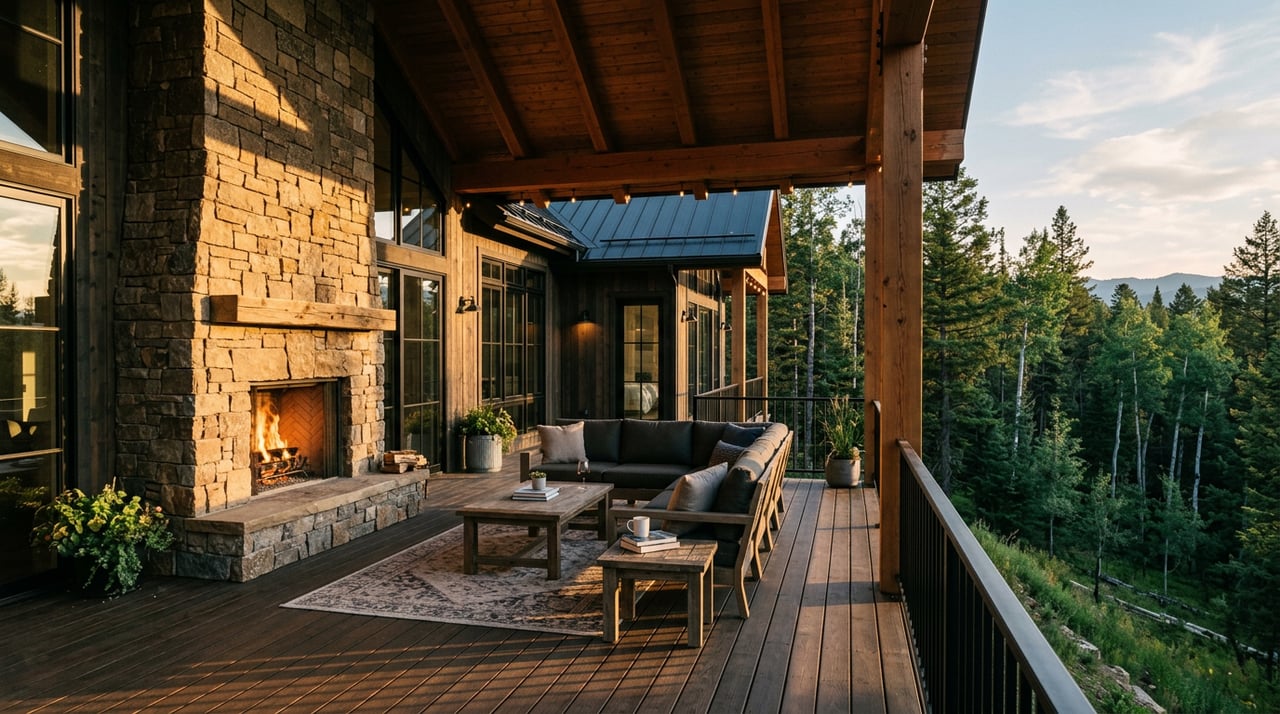
The local factors that can make two seemingly similar Tahoe homes sell for very different prices.


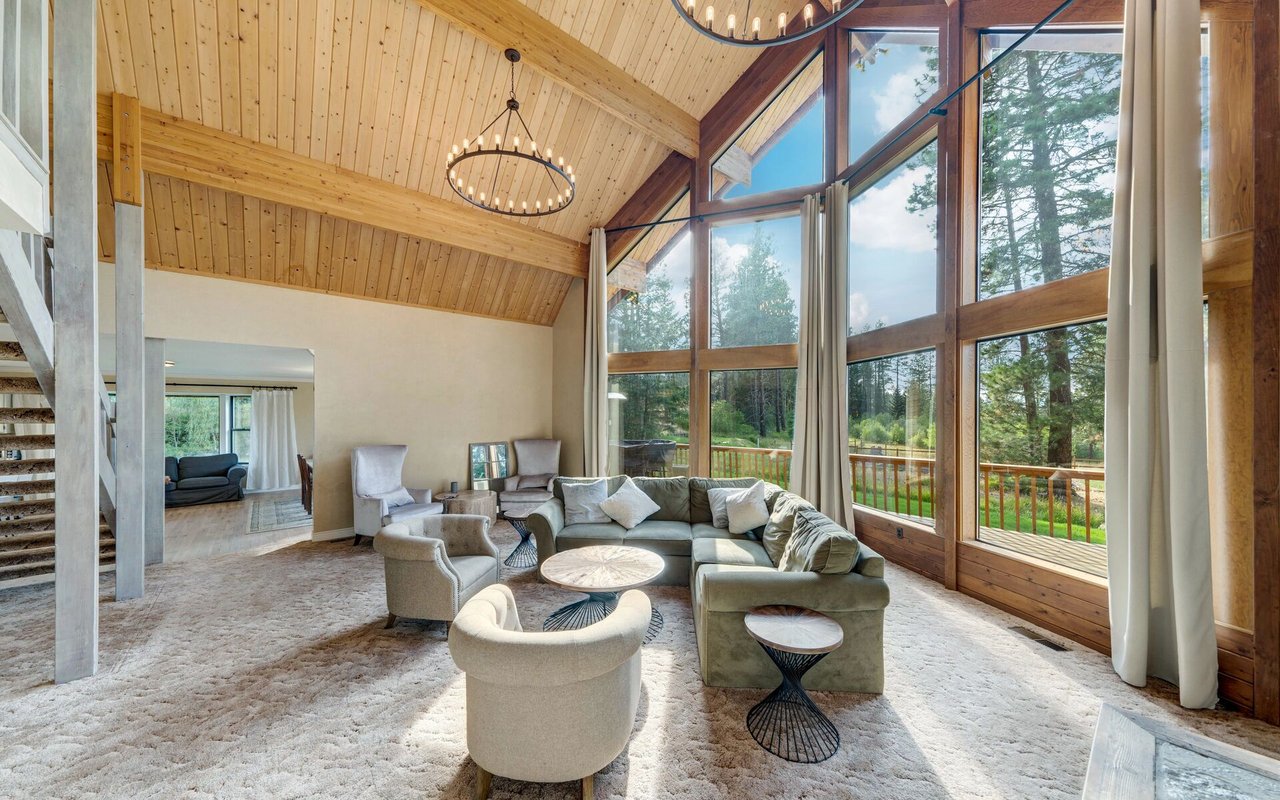
Before Making the Leap to Life on the Lake
Whether you’re searching for a primary home, a Tahoe getaway, an investment property, or preparing to sell a home you’ve loved for years, my goal is to make the process as seamless as possible while protecting your interests every step of the way. For me, real estate isn’t just about the transaction — it’s about building relationships and being someone my clients can continue to rely on long after closing.
Rebecca Smith
(530) 386-6556
[email protected]
SMITH, REBECCA LYNN | CA DRE# 02196418 | NV #S.0200883
SMITH, CHRISTOPHER KELLY | CA DRE# 01100871
5249 N LAKE BLVD CARNELIAN BAY, CA 96140