
What Tahoe Sellers Don’t See Because They’ve Owned Their Home Too Long
Lake Tahoe Real Estate
Lake Tahoe Real Estate
When you have owned a home in Lake Tahoe for 10, 20, or even 30+ years, you know that house better than anyone. You know which stair creaks, which window has the best morning light, and exactly how to navigate the driveway after a big snowstorm.
But that familiarity can also make it difficult to see your home the way a buyer will see it for the first time.
As a local real estate agent, I walk into homes and notice things that an owner may not think twice about anymore. It doesn't necessarily mean there is anything wrong with the property. Sometimes, the seller has simply lived with something for so long that it has become normal to them.
A buyer doesn't have that same perspective.
Tahoe winters can be hard on homes. Decks, fences, siding and other exterior features take a beating from snow and weather year after year.
When you live with these things, it can be easy to put off repairs or stop noticing them altogether.
Buyers are seeing everything for the first time.
Defensible space is another big one. Dead trees and other necessary defensible-space work can become expensive quickly, and it is something that frequently comes up during a transaction.
Crawlspaces and attics are also areas that many homeowners rarely see.
This can be particularly important in some of Tahoe's older homes. Homes built in the 1970s or earlier may not have the ventilation we would expect from newer construction. After years of Tahoe winters and moisture, inspections can sometimes uncover organic growth in crawlspaces or attics.
I have personally dealt with this on a number of transactions.
And then there are skylights.
Skylights are amazing for bringing natural light into a Tahoe home, but snow and skylights aren't always friends. With our snow loads, skylights can eventually become a source of leaks. It's one of those features a longtime homeowner may have dealt with over the years without realizing how much attention a buyer or inspector may give it.
One of the more difficult things for a seller to recognize is that a layout that works perfectly for them may not work for the next person.
Sometimes a home has been modified over the years specifically around the way one family lives. The owners may love the flow because they've spent decades using it that way.
A buyer walking through for the first time doesn't have that history.
This is especially important in Tahoe because our housing stock is so unique. Two homes with similar square footage can feel completely different depending on their layout and flow.
Buyers can also become concerned when they physically feel floors sloping or notice the effects of an upslope or downslope within the house. Even when they don't know whether there is actually a structural issue, feeling that movement under their feet can immediately make them nervous.
That's something you simply can't see on an MLS sheet.
One of the best examples of this came from a home I sold in Kings Beach.
The property had sweeping views of Lake Tahoe. On paper, the view was an incredible selling feature.
But there was a major issue: there was essentially no parking.
The home sat on the side of a large hill, and because of the road access and topography, adding a parking pad was difficult and a traditional driveway was likely not realistic.
The sellers had owned the property for more than 20 years and had been using the neighbor's driveway to access their home. From their perspective, it wasn't a major problem. They had been doing it for years.
Naturally, their thought was: We've always parked there. Why couldn't the next owner?
The problem was that we couldn't guarantee that arrangement to a buyer. The neighboring owner didn't want to put the parking arrangement in writing.
What had become completely normal to the sellers was a major concern to buyers—and it significantly affected how the market viewed the property.
That's a perfect example of why seeing your home through a buyer's eyes matters.
This doesn't mean every Tahoe home needs to be completely remodeled before it goes on the market.
It does mean presentation matters, particularly when you're trying to get top dollar.
I've walked into homes with buyers where there was a strong smoke smell, and the reaction was almost immediate. Unless they're specifically shopping for a fixer, something like that can be difficult for buyers to look past.
Carpet is another easy one.
If the carpet is staying, having it stretched and professionally cleaned can completely change the way a room presents. Wrinkled or dirty carpet can make an otherwise maintained home feel more neglected than it really is.
And clutter makes a huge difference.
Fair or not, buyers can walk into a cluttered property and subconsciously think, If they don't take care of their things, did they take care of the house?
That's not necessarily true, but perception matters when selling a home.
This is also why, when possible, I generally prefer bringing a traditional residential property to market after tenants have moved out. If an owner is still living in the home, sorting personal belongings, donating unused items, or even having a garage sale before listing can make a major difference.
Most buyers have a harder time visualizing a space than people realize.
A 4,000-square-foot Tahoe cabin with soaring ceilings may look fantastic with large, substantial furniture.
Put that same furniture into a smaller cabin and suddenly the rooms can feel cramped.
Longtime homeowners often stop seeing the furniture because it's simply part of their home. Buyers see the entire room at once.
That's one of the situations where staging can be extremely helpful. The goal isn't to erase the character of the property. It's to make it easier for buyers to understand the space and imagine themselves living there.
The same goes for light.
Tahoe homes can naturally be darker because of trees, architecture, wood finishes and the orientation of the house. Owners become accustomed to it. Buyers often respond more positively to homes that feel bright and airy, so something as simple as improving the lighting and presentation can change the initial impression.
This is an area where I think sellers can easily spend money they don't need to spend.
If you're selling a home that is clearly dated throughout and your likely buyer is someone who plans to remodel it anyway, spending money on small cosmetic improvements may not give you much of a return.
If the buyer is probably going to rip out the carpet, there may be little reason to spend money making that carpet perfect.
The same logic applies to larger projects.
If the entire home is dated, remodeling only the primary bathroom probably isn't going to suddenly reposition the property as a remodeled home. A buyer who wants to renovate will still look at the kitchen, other bathrooms, flooring and finishes and calculate the work they want to do.
If you're going to put substantial money into improving a home before selling, the kitchen is one of the areas where I see the biggest impact.
But every property is different, which is why I would rather walk through a home with a seller before they start spending money and determine where that money is actually likely to matter.
This distinction is especially important here.
Not everything old needs to go.
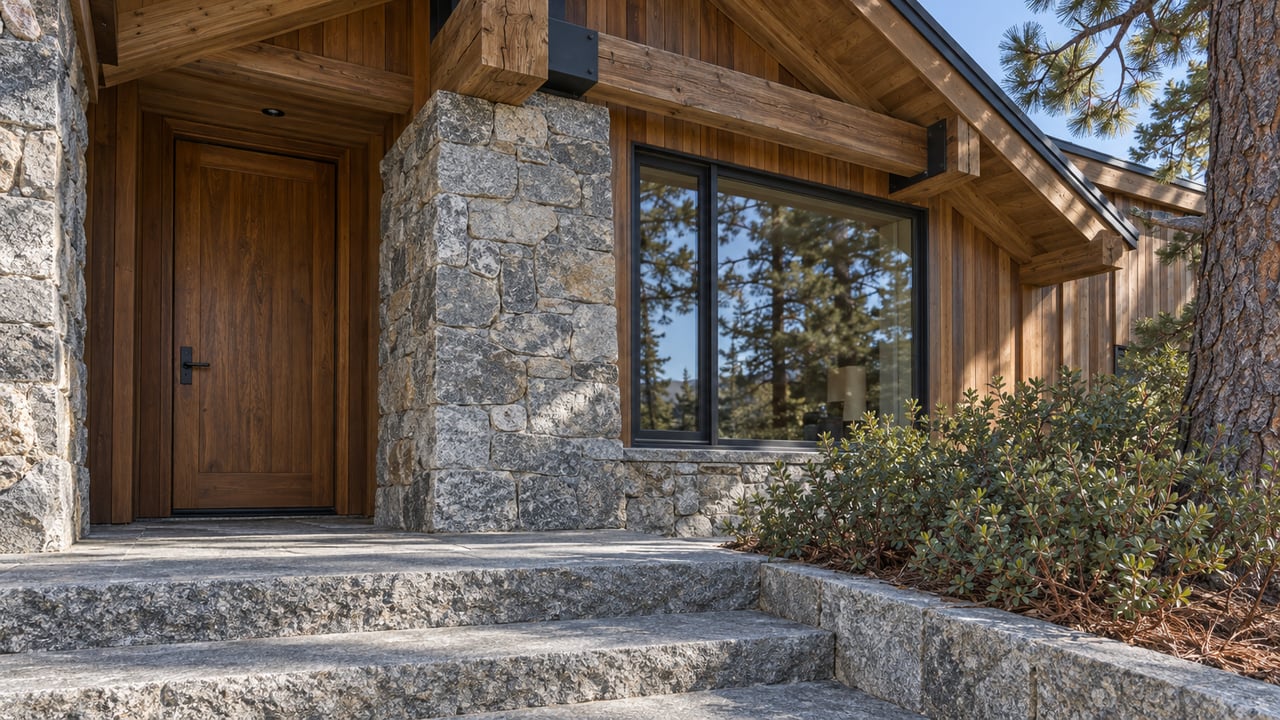
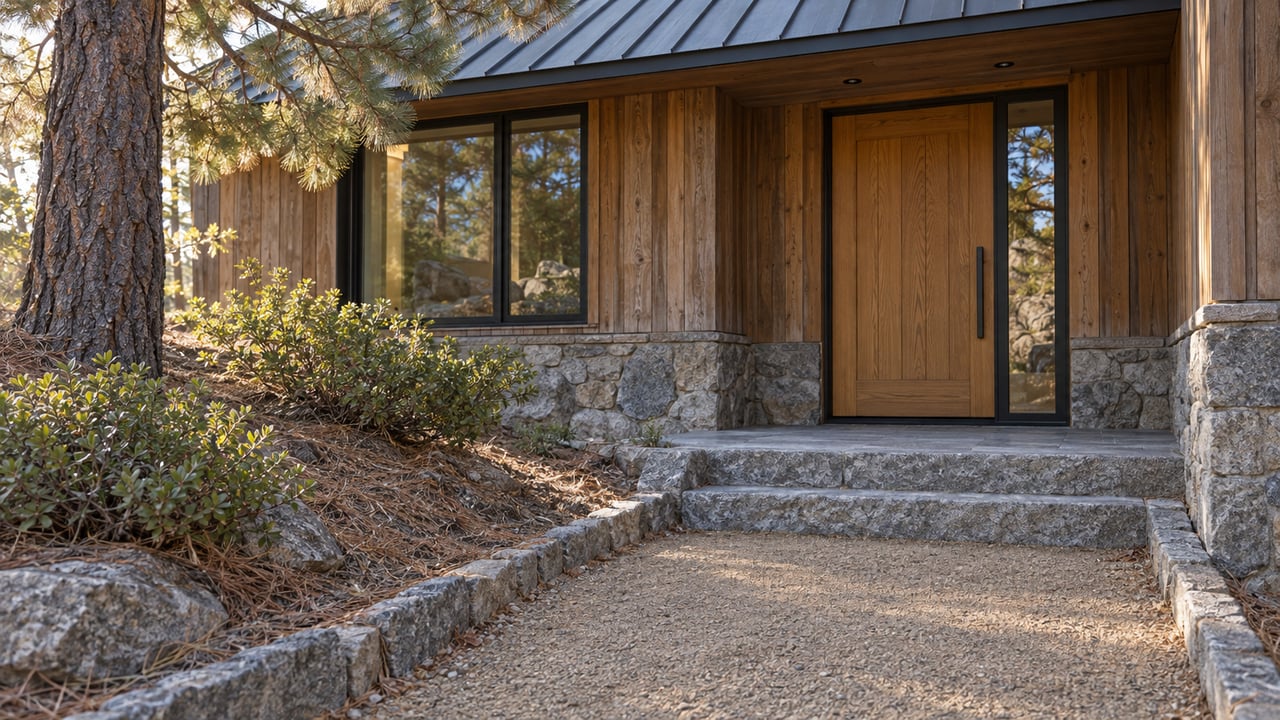
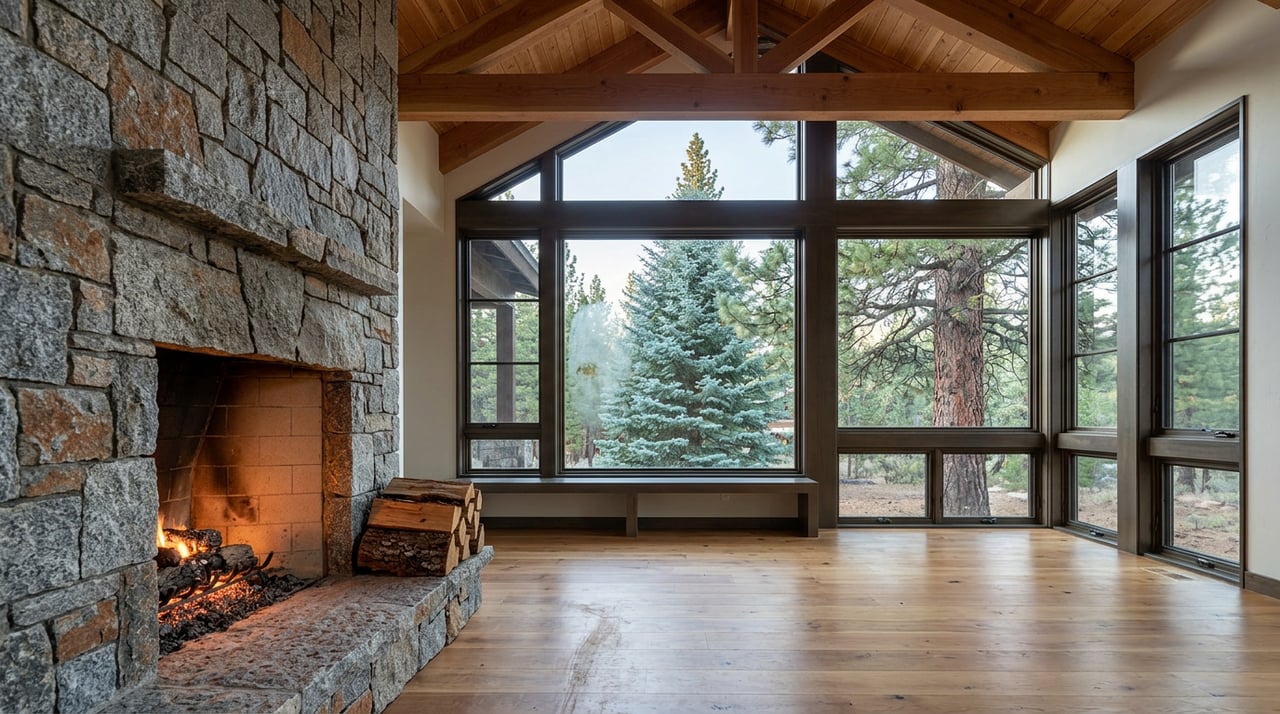
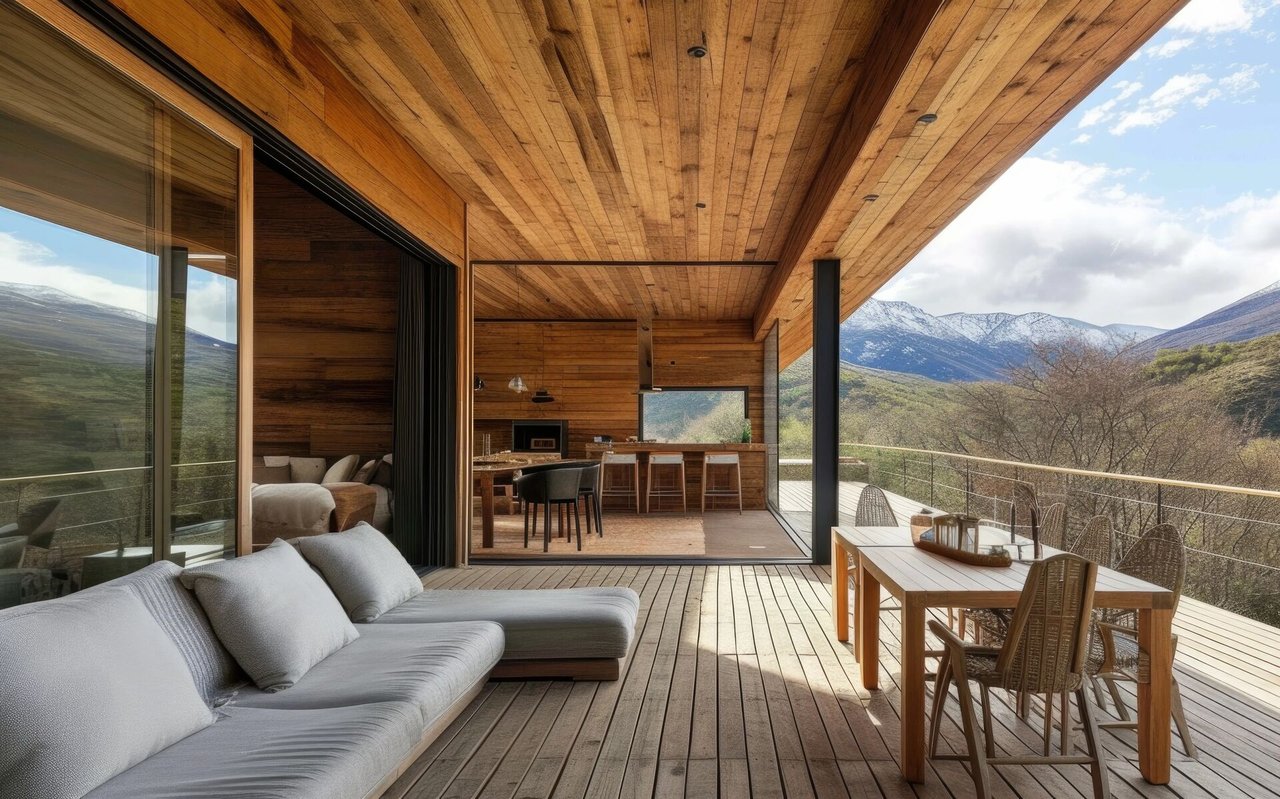
Knotty pine is a Tahoe classic, and many buyers still love it. Wood ceilings, stone fireplaces and other natural wood characteristics can give a property exactly the cabin feeling buyers came to Tahoe looking for.
I've found that buyers often appreciate the true Tahoe character of a home.
Kitchens and bathrooms, particularly kitchens, tend to be a different story when we're talking about renovations that can affect buyer perception and value.
The goal shouldn't automatically be to make an older Tahoe cabin look like a brand-new suburban house. Sometimes the better approach is figuring out which original characteristics give the property its charm and which features simply make it feel dated.
There's a difference.
When you've owned a home for years, you've probably put a lot of time and money into it.
It's natural to become emotionally attached to those improvements.
And sometimes those improvements absolutely increase the desirability and value of the property.
But not every dollar spent on a home translates into another dollar of market value.
A seller may know that they used better materials, reinforced something beyond what was necessary, or spent significantly more on a project than a buyer would ever realize.
Those details may make the improvement better, but we can't necessarily increase the asking price simply because, for example, you used heavy-duty nails instead of standard ones.
The market ultimately determines what buyers are willing to pay for those improvements.
Almost every seller can tell me why their property is better than the closest comparable sale.
And sometimes they're right.
That's part of what makes pricing Tahoe real estate so interesting. Our homes aren't sitting in subdivisions where every third house has the same floor plan.
Each property is different.
When I'm evaluating Tahoe homes, some of the major things I'm looking at are size, location, views and the overall flow of the house. Then we start accounting for condition, amenities, access and all of the characteristics that make that particular property different.
A seller's personal connection to the home is important, but buyers are going to compare it against everything else available to them.
Those are two very different perspectives.
One of the most valuable things a real estate agent can do before listing a property is simply walk through it without the years of familiarity the owner has.
You don't necessarily need to remodel everything.
You don't need to strip away all of the Tahoe character.
And you shouldn't spend money simply because you think every seller is supposed to renovate before selling.
Sometimes you need someone to point out the things you've stopped noticing—and help determine which ones buyers will actually care about.
And when it comes to deciding when to sell, there isn't one universally perfect time.
We cannot predict exactly what the market is going to do a year from now. We can gather the current data, look at the competition and use that information to make our best educated assessment.
Ultimately, the right time to sell is when it makes sense for you.
Rebecca Smith
REALTOR® | North Lake Tahoe & Truckee
Century 21 Tahoe North Realtors
CA DRE #02196418
(530)386-6556 | [email protected]
How I Help Buyers Find the North Lake Tahoe Neighborhood That Actually Fits the Way They Want to Use Their Home
Lake Tahoe Real Estate
The things longtime homeowners stop noticing—and buyers see immediately.
The local factors that can make two seemingly similar Tahoe homes sell for very different prices.
Whether you’re searching for a primary home, a Tahoe getaway, an investment property, or preparing to sell a home you’ve loved for years, my goal is to make the process as seamless as possible while protecting your interests every step of the way. For me, real estate isn’t just about the transaction — it’s about building relationships and being someone my clients can continue to rely on long after closing.
Rebecca Smith
(530) 386-6556
[email protected]
SMITH, REBECCA LYNN | CA DRE# 02196418 | NV #S.0200883
SMITH, CHRISTOPHER KELLY | CA DRE# 01100871
5249 N LAKE BLVD CARNELIAN BAY, CA 96140