
The Hidden Costs of Owning a Home in Lake Tahoe: What Buyers Don't Realize Until After They Purchase
Buying a home in Lake Tahoe is exciting. Whether you're looking for a vacation getaway, an investment property, or somewhere to live full-time, there's a reason so many people want to own a piece of Tahoe. But one thing I always encourage buyers to think about is what owning that property will actually cost beyond the mortgage and property taxes.
Tahoe is a unique place to own real estate. Between our winters, wildfire exposure, older homes, and environmental regulations, there are expenses that buyers coming from the Bay Area, Sacramento, or other markets don't always anticipate.
As a local Realtor working throughout North Lake Tahoe and Truckee, I've seen firsthand how some of these unexpected costs can affect buyers' decisions, delay transactions, and even cause deals to fall apart.
Here are some of the biggest expenses I think every buyer should investigate before purchasing a home in Lake Tahoe.
One thing buyers don't always research is how much snowfall can vary depending on where in Tahoe they're purchasing.
For example, areas like Tahoma on the West Shore generally receive heavier snowfall than some neighborhoods around Tahoe City. Even within the same general area, elevation, exposure, and the location of your property can make a difference.
Something else buyers don't always consider is how long it takes for their road to be plowed after a storm.
Just because your home is on a public road maintained by the county doesn't mean a plow will be there first thing in the morning. During a major storm, it can potentially take hours for county crews to reach certain residential streets.
Honestly, sometimes having a shared local plow service that you and your neighbors split can be more convenient because you're not necessarily relying on the county's schedule.
Then there's your actual driveway.
If you're purchasing a vacation home and don't live in Tahoe full-time, you're probably going to need to hire someone to clear your driveway. Yes, you could purchase a snowblower and do it yourself, but that doesn't help much when you're several hours away and planning to arrive after a big storm.
This becomes especially important if you plan to use the property as a short-term rental. Your guests need to be able to access the home, and you can't expect to drive up every time it snows to clear the driveway yourself.
Another thing I pay attention to is the roof.
Buyers often love the look of skylights, and I completely understand why. But in Tahoe, skylights can be particularly vulnerable to problems from heavy snow accumulation, ice, and melting snow. I've seen how leaks around skylights can become an issue, especially in older homes.
That doesn't mean every skylight is a problem, but it's something I would absolutely want inspected.
My advice: Before purchasing, find out who maintains the road, how quickly it's typically plowed, what driveway snow removal might cost, and whether the roof has any history of leaking or snow-related damage.
Homeowners insurance is one of the biggest expenses I encourage buyers to investigate early in the process.
Insurance premiums can be substantial throughout Lake Tahoe, especially when it comes to wildfire coverage. What surprises some buyers is just how property-specific those costs can be.
For example, a home in Carnelian Bay surrounded by dense trees may have a very different insurance situation than a property in a less heavily wooded part of Kings Beach. Insurance companies consider numerous factors, including the property's location, construction, condition, and wildfire exposure.
On the California side of Tahoe, many buyers end up exploring the California FAIR Plan because obtaining traditional coverage can be challenging.
The FAIR Plan is an insurer of last resort, meaning buyers should first explore available coverage through the regular insurance market. It also provides more limited coverage than many traditional homeowners policies, so supplemental insurance may be necessary.
I actually had a property I was selling in Kings Beach, near Beaver Street, where a buyer backed out of the transaction because of the cost of insurance.
It's a perfect example of why I encourage buyers to research insurance before they become too invested in a property.
In my experience, the FAIR Plan application process can involve an exterior inspection where someone comes to photograph and evaluate the property.
During the busiest parts of our real estate season, typically in the summer, insurance quotes and approvals have sometimes taken longer than expected. This can potentially affect escrow timelines, especially when a buyer is financing the purchase and the lender requires adequate insurance coverage before closing.
Recently, I've found the process to be more efficient, but it's still something I wouldn't leave until the last minute.
My advice: Get insurance quotes as early as possible, ideally before making an offer, and make sure you're comfortable with both the premium and the actual coverage. Your investigation and insurance contingencies, when included in the contract, are important opportunities to verify these costs.
Tahoe has a lot of older homes, including cabins built in the 1970s and earlier. Many of these properties have tons of character, and buyers love their traditional Tahoe charm.
But one issue I've been seeing throughout the region is organic growth in crawl spaces and attics.
With some of the larger winters we've experienced and the amount of snowmelt that follows, moisture can become an issue, particularly in older homes that weren't designed with the same ventilation standards we have today.
A lot of these crawl spaces and attics simply don't have adequate airflow, and problems can go unnoticed for years until someone decides to sell and an inspection is performed.
Organic growth can really scare buyers, and understandably so. Nobody wants to purchase a home with a potential moisture or mold issue.
However, I also think it's important to understand that these findings don't automatically mean a property is a bad investment.
The first step is determining exactly what the growth is, where the moisture is coming from, and what needs to be done to correct the problem.
When appropriate, qualified remediation professionals can address the affected areas, but it's equally important to fix the underlying moisture or ventilation issue so the problem doesn't return.
In my experience, these findings are typically negotiated through the buyer's request for repairs. Most of the time, I've seen sellers take care of the issue because it's something they would likely have to address for another buyer anyway.
I've seen properties come out of professional remediation in significantly better condition than they were before the issue was discovered.
My advice: Don't automatically write off an older Tahoe home because an inspection identifies organic growth. Get the proper professionals involved, understand the extent of the problem, and determine what remediation and prevention will actually cost.
Living in a beautiful, forested environment is one of the biggest reasons people want to own property in Lake Tahoe.
But those trees and natural surroundings also come with maintenance responsibilities.
Defensible space is especially important throughout Tahoe because of our wildfire exposure. Depending on a property's location and applicable fire hazard classification, California law may require defensible-space compliance documentation during a real estate transaction.
For many of the properties I work with, this involves an inspection by CAL FIRE or the appropriate local fire authority to evaluate potential fire hazards around the home.
Some of the things that may need to be addressed include:
Some of these projects are relatively simple. Others can become expensive, particularly when large trees need to be removed by a professional tree service.
In my experience, buyers often request that sellers address defensible-space issues before closing escrow. However, responsibility for completing and paying for the work can be negotiated, subject to applicable legal requirements.
The important thing is understanding what the property needs before you're the one responsible for maintaining it.
My advice: Look beyond how beautiful the trees are. Consider their condition, proximity to the house, and what maintaining the property for wildfire safety could cost.
This is something I've talked about before, but I think it's worth mentioning again because it plays such a big role in the actual cost of owning a vacation home in Tahoe.
A lot of buyers assume that because Lake Tahoe is such a desirable vacation destination, purchasing a property and renting it out when they're not using it must be a great investment.
The reality is a little different.
For many single-family homes, short-term rental income may help offset the cost of ownership, but that doesn't necessarily mean the property will generate significant positive cash flow.
Multifamily properties can be a different story, and I've seen opportunities where the numbers make more sense at the right purchase price.
But with any vacation rental, you need to account for much more than just your mortgage payment.
Depending on the jurisdiction, there may be short-term rental permit fees, safety requirements, occupancy restrictions, inspections, and other costs associated with operating legally.
Many properties also need bear-resistant garbage storage, which is another expense buyers don't always think about.
I recently had a client purchase a property with the intention of using it as a short-term rental. When they went through the permitting process, they discovered that the downstairs windows didn't meet the applicable emergency escape requirements.
The windows didn't open wide enough to qualify as an emergency exit, so they ended up having to replace them.
That's not exactly an expense most buyers are anticipating when they're calculating their projected rental income.
And then there's property management.
If you don't live locally, hiring a management company can make a huge difference in how much work you're personally responsible for, but those fees also need to be factored into your numbers.
Between management, cleaning, snow removal, maintenance, utilities, insurance, and permit-related expenses, rental revenue can disappear faster than buyers expect.
My advice: Before purchasing a property with plans to short-term rent it, verify that it's eligible for a permit, investigate the applicable requirements, and calculate your actual expenses rather than relying solely on projected gross rental income.
I often have buyers who are interested in condos because they want something low-maintenance.
And I understand the appeal, especially if you're purchasing a second home and don't want to worry about taking care of the exterior of the property.
But condos aren't always as inexpensive to own as buyers expect.
One thing I encourage buyers to look closely at is the HOA's financial condition, monthly dues, reserves, and history of special assessments.
I've seen this become a major issue in certain Tahoe condo developments.
Kingswood Condos in Kings Beach is one example where I've seen HOA assessments affect owners' decisions to sell and buyers' willingness to purchase.
We recently worked with someone who completed a 1031 exchange out of a condo complex because the HOA expenses and continuing special assessments were making the rental investment less attractive.
Their rental revenue simply wasn't producing the returns they wanted after accounting for those expenses.
This is why I don't automatically recommend condos just because someone wants a vacation home.
When buyers have a budget above approximately $500,000, I often encourage them to explore single-family homes as well, unless a condo offers specific amenities that are especially valuable to them.
For some buyers, amenities like a pool, private beach access, tennis courts, or other shared facilities make the HOA fees worthwhile.
It really comes down to what you're looking for and whether the expenses make sense for your situation.
My advice: Before buying a condo, review the HOA documents, financial statements, reserve information, and any existing or anticipated special assessments. A lower purchase price doesn't always translate to lower ownership costs.
This might be one of the most misunderstood parts of purchasing real estate in Lake Tahoe.
I frequently work with buyers who find a house they like but immediately start talking about adding another bedroom, expanding the living room, or making the house bigger down the road.
And I always encourage them to investigate whether those plans are actually possible before purchasing.
A lot of buyers are used to living somewhere they can apply for a building permit through their city or county and move forward with an addition.
But Lake Tahoe is different.
Within the Lake Tahoe Basin, we have the Tahoe Regional Planning Agency, commonly referred to as TRPA, which regulates land coverage and other aspects of development to help protect the environment.
Every parcel has its own development considerations, including how much land coverage is permitted and how much existing coverage is already being used.
If a property has no remaining allowable coverage, adding onto the home may not be possible without obtaining additional coverage or qualifying for an applicable exemption.
There are situations where additional land coverage can be transferred from another parcel, but that process comes with its own eligibility requirements, costs, approvals, and timelines.
It's not as simple as deciding you want to add another 500 square feet.
Even projects that seem straightforward can involve additional permitting, planning, and professional expenses.
I've found that buyers sometimes underestimate both the cost and the amount of time involved in making changes to a Tahoe property.
My advice: If you're purchasing a home with plans to remodel, expand, or build additional structures, investigate the property's land coverage and applicable TRPA restrictions before making an offer. Don't assume that because there's room in the yard, you're allowed to build on it.
The answer is going to be different for every property.
A newer home with a manageable driveway, fewer maintenance issues, and reasonable insurance costs may have a very different ownership budget than an older cabin surrounded by trees, with a steep driveway and deferred maintenance.
That's why I always encourage buyers to do their own due diligence on the costs of owning a property, ideally before making an offer.
Beyond your mortgage and property taxes, I would recommend investigating:
None of these things should necessarily discourage you from purchasing a home in Lake Tahoe.
In fact, I think owning property here can be an incredible experience. There's a reason so many people fall in love with this area.
But I also believe that understanding what you're buying is just as important as finding a house you love.
The more informed you are going into a purchase, the fewer surprises you're likely to have after closing.
And that's a big part of what I try to help my buyers accomplish.
It can be. In addition to mortgage payments and property taxes, homeowners may need to budget for higher insurance premiums, snow removal, seasonal maintenance, defensible-space work, and unexpected repairs. Actual expenses depend heavily on the property and its location.
Wildfire exposure is a major factor affecting insurance availability and pricing in the Tahoe region. Premiums can vary significantly based on the property's location, construction, surrounding vegetation, and other underwriting considerations. Buyers should obtain property-specific quotes rather than assuming insurance will cost the same throughout Tahoe.
Not necessarily, but many second-home owners find professional snow removal helpful, especially if they don't live locally or plan to rent the property during winter. Driveway length, slope, snowfall, and access needs can all affect the decision.
Not always. Condos may have lower purchase prices and less individual exterior maintenance, but HOA dues, special assessments, and rental restrictions can affect their overall affordability. Buyers should compare the total cost of ownership rather than just the purchase price.
Possibly, but it depends on the property. Homes within the Lake Tahoe Basin are subject to TRPA regulations, including land coverage limitations. Some parcels may have available coverage, while others may require additional approvals or coverage transfers. Buyers should verify their plans with the appropriate agencies before purchasing.
It depends on the purchase price, rental eligibility, occupancy, management expenses, and ongoing ownership costs. Some properties can generate positive cash flow, while others may primarily offset the expense of owning a vacation home. Buyers should verify local regulations and evaluate realistic net income before purchasing.
Every property has its own advantages, challenges, and expenses, and sometimes the details that seem small during a showing can make a big difference after you own the home.
I work with buyers throughout North Lake Tahoe and Truckee, helping them understand not only what a property has to offer, but also what they should be investigating before making a purchase.
If you're considering buying in the area, I'd be happy to help you navigate the process and find a property that makes sense for your goals and budget.
Rebecca Messer
Century 21 Tahoe North Realtors
CA DRE License #:02196418
Information reflects local real estate experience and general guidance. Insurance availability, permitting rules, inspection requirements, and rental regulations vary by property and jurisdiction and should be independently verified with the appropriate professionals and agencies.
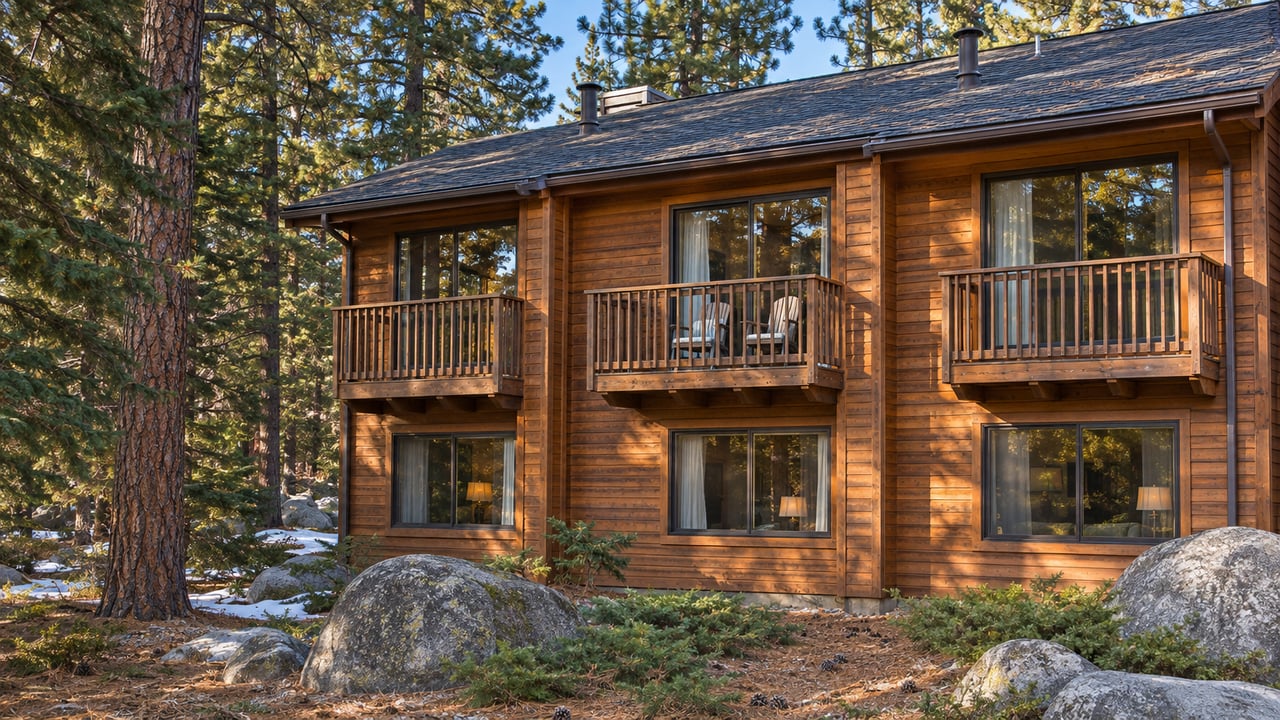
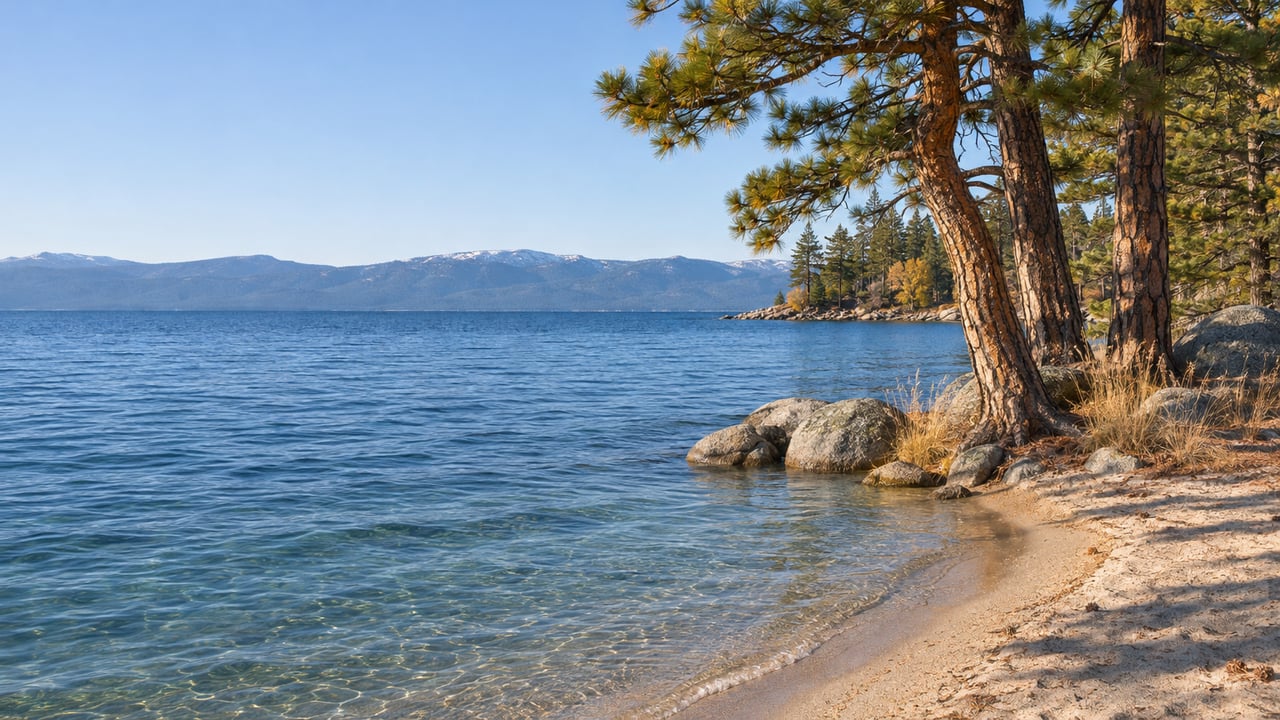
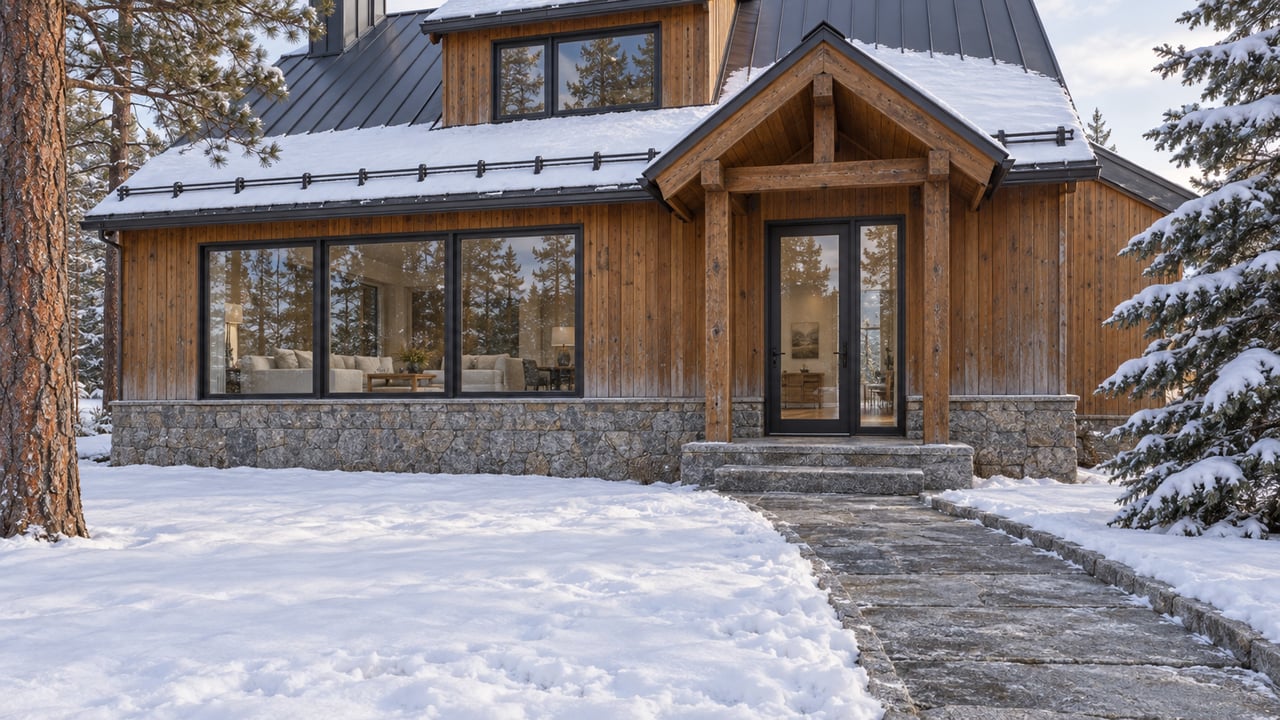
From snow removal and fire insurance to unexpected repairs and rental expenses, here's what buyers should know about the true cost of owning a home in Lake Tahoe.
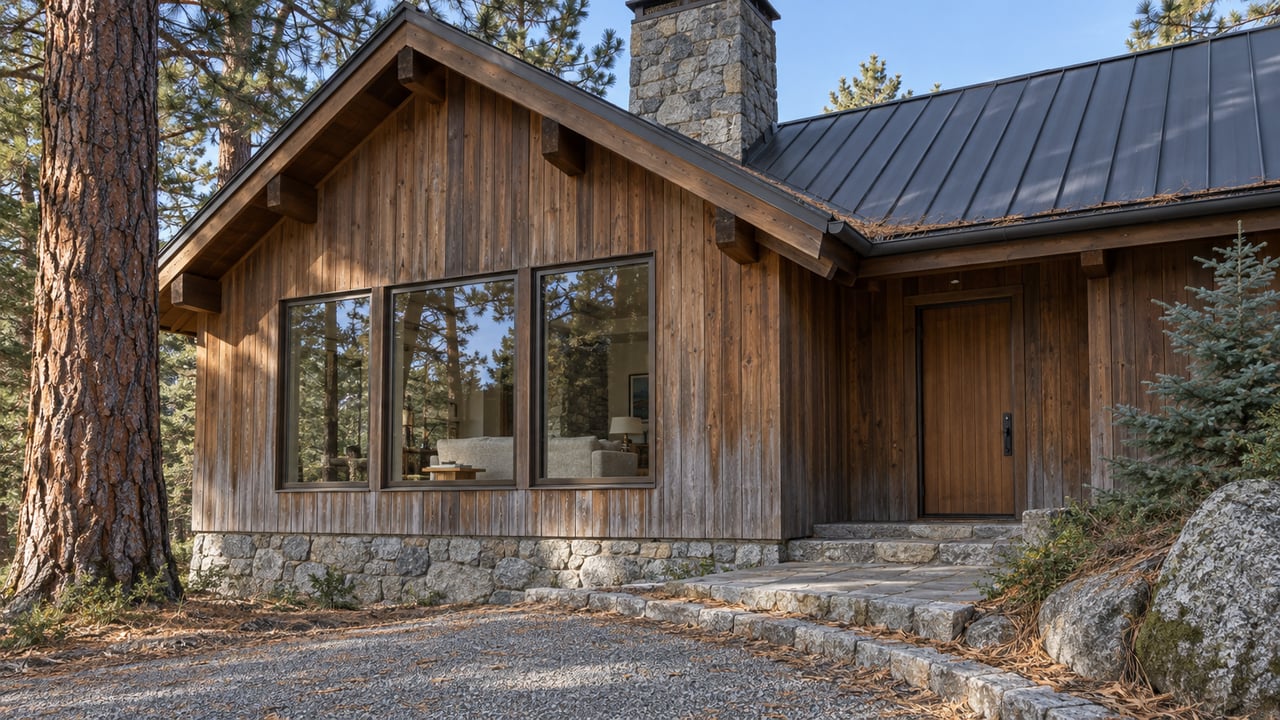
How I Help Buyers Find the North Lake Tahoe Neighborhood That Actually Fits the Way They Want to Use Their Home
Whether you’re searching for a primary home, a Tahoe getaway, an investment property, or preparing to sell a home you’ve loved for years, my goal is to make the process as seamless as possible while protecting your interests every step of the way. For me, real estate isn’t just about the transaction — it’s about building relationships and being someone my clients can continue to rely on long after closing.
Rebecca Messer
(530) 386-6556
[email protected]
MESSER, REBECCA LYNN | CA DRE# 02196418 | NV #S.0200883
SMITH, CHRISTOPHER KELLY | CA DRE# 01100871
5249 N LAKE BLVD CARNELIAN BAY, CA 96140