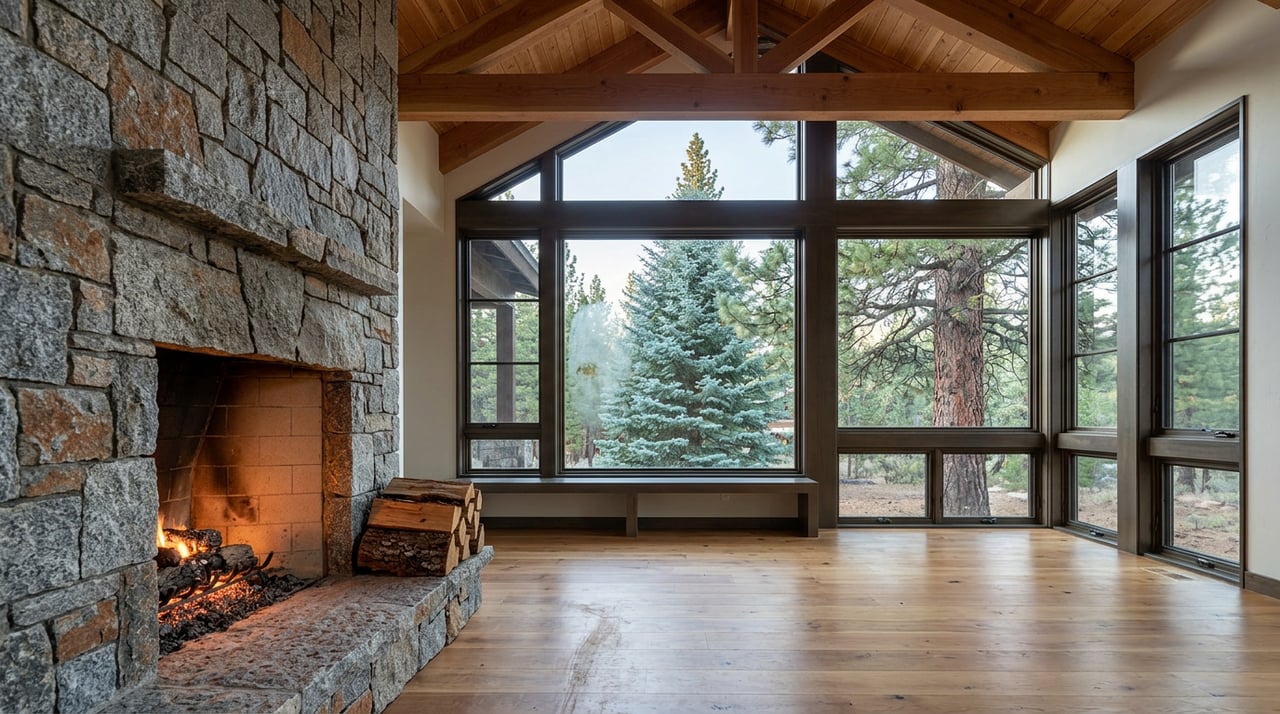
The Fine Print Behind a Dollar Point Address
Two houses on the same Dollar Point street, similar square footage, similar year built, similar list price. One comes with a locked gate code to a sandy beach, a pier, and a shot at a boat buoy next summer. The other comes with none of it, not because the second house is worse, but because somewhere in its ownership history, nobody paid to join.
That is the part of buying in Dollar Point that does not show up in a listing sheet or a comparable sales report. The neighborhood's lake access is not attached to the land. It is attached to a membership, and that membership has its own price, separate from whatever the house itself sells for.
Most Tahoe subdivisions with shared amenities fold the cost into a mandatory homeowners association: everyone pays, everyone gets a key. Dollar Point works differently. The Dollar Point Association, or DPA, is a nonprofit formed by property owners in the subdivision, and membership in it is voluntary. Nobody who buys a Dollar Point lot is required to join, and the association itself describes membership that way on its own site.
That single word, voluntary, is the whole story. It means the subdivision contains two populations of homeowners living side by side: those who belong to the DPA and those who do not. Roughly 560 to 600 residential parcels make up Dollar Point, depending on which count you use, and about 524 of them currently hold DPA membership. The gap between those numbers is not rounding error. It is dozens of houses in the neighborhood with no claim on the pool, the tennis courts, the beach, or the buoy field, regardless of what their owners paid to live there.
Here is where the friction shows up for a buyer. If the house you are purchasing is already a DPA member lot, you keep the membership by paying a transfer fee, recently quoted around $5,100. If the house is not currently a member, you do not get a discount for buying into an established neighborhood. You pay a full initiation fee instead, and recent figures put that at roughly $50,000.
| Scenario | What you pay | What you get |
|---|---|---|
| Buying an existing member lot | Transfer fee, about $5,100 | Membership stays attached to the property |
| Buying a lot that isn't currently a member | Initiation fee, about $50,000 | New membership created for that lot |
| Transferring to a spouse, child, or family trust | No fee | Membership carries over automatically |
That is close to a tenfold gap between the two paths, and it has nothing to do with the house. It has to do with whether the seller happened to be a member. A buyer comparing two similar Dollar Point listings needs to ask which category each one falls into before assuming the price includes the lifestyle the neighborhood is known for.
The family exemption is worth sitting with too. The DPA's own rules waive the transfer fee entirely when a member passes a property to a spouse, child, or family trust. The system is built to keep memberships inside families across generations, which is part of why turnover in the member pool is slow, and why a non-member lot can sit that way for years before a new owner decides the initiation fee is worth paying.
One more detail matters here: membership belongs to the lot, not the person. A member cannot pack up their DPA card and carry it to a different Dollar Point address. Sell a member lot and buy a non-member lot down the street, and the fresh initiation fee applies all over again.
For buyers weighing whether the initiation fee is worth it, the DPA maintains two separate recreation sites, and they are not redundant.
The first, at 170 Observation Drive, is the inland clubhouse:
The second, at 3000 Edgewater Drive, is the lakefront site, and it is the one most buyers are actually picturing when they think about Dollar Point:
Of the roughly 560 to 600 lots in the subdivision, only about 39 are true lakefront parcels, and around 40 percent of homes get some kind of lake view from their own lot. For everyone else, the Edgewater Drive site is the closest thing to a private shoreline that Dollar Point offers, and it only opens to members.
Paying the initiation fee gets you past the first gate. It does not automatically get you a buoy or a kayak rack. The DPA allocates both through an annual lottery, and this year's cycle already ran: packets went out to members, entries had to be postmarked by March 9, and the drawing was held March 16, 2026.
A lottery, rather than a first-come sign-up, tells you something concrete. The number of buoys and rack spaces in that field does not stretch to cover every member who wants one in a given season. If you are picturing a Dollar Point summer with your own boat on the water, the honest planning question is not just "can I join the DPA," it is "will I win a spot the year I actually want it." Buyers who close mid-season should ask directly whether the current owner's buoy or rack assignment, if any, transfers with the sale or reverts to the lottery pool.
None of this makes a non-member Dollar Point home a lesser purchase. Some buyers are perfectly happy paying less for the address and using public options nearby. Skylandia Beach, off Lake Forest Road, and Lake Forest Beach, at the end of Bristlecone, both sit close by and don't require DPA membership to use. A buyer who has no interest in a private pool or a lottery for buoy space can reasonably decide the initiation fee buys convenience, not a lifestyle they'd otherwise be shut out of entirely.
That decision is legitimate either way. The problem is only when a buyer assumes the amenities come standard with the zip code and discovers otherwise at closing.
Dollar Point takes its name from Robert Dollar, a lumber baron, but membership—not the address alone—determines access to its amenities. The answers below cover what happens to membership when a property changes hands.
Does DPA membership come with the house automatically? Only if the lot is already a member lot. The new owner generally pays the transfer fee, except when a member passes the property to a spouse, child, or family trust. A non-member lot does not gain membership just because it sold.
Can a new owner join later if they skip it at closing? Yes, joining generally remains available to lot owners at any point, though the initiation fee is set by current DPA rates at the time you apply, not the rate quoted when you bought the house.
Is DPA membership required to live in Dollar Point? No. It is explicitly voluntary. Plenty of Dollar Point owners live there without ever joining and rely on nearby public beaches instead.
If you're comparing a Dollar Point listing against homes in Tahoe Vista, Carnelian Bay, or Tahoe City and want help figuring out which lots carry membership, what a fair initiation-fee negotiation looks like, or how the numbers actually pencil out for your situation, I'd be glad to walk through it with you. Let's Connect and talk through what a specific address actually includes before you make an offer on it.
This article is general information, not legal, tax or financial advice. Consult a qualified professional about your situation.
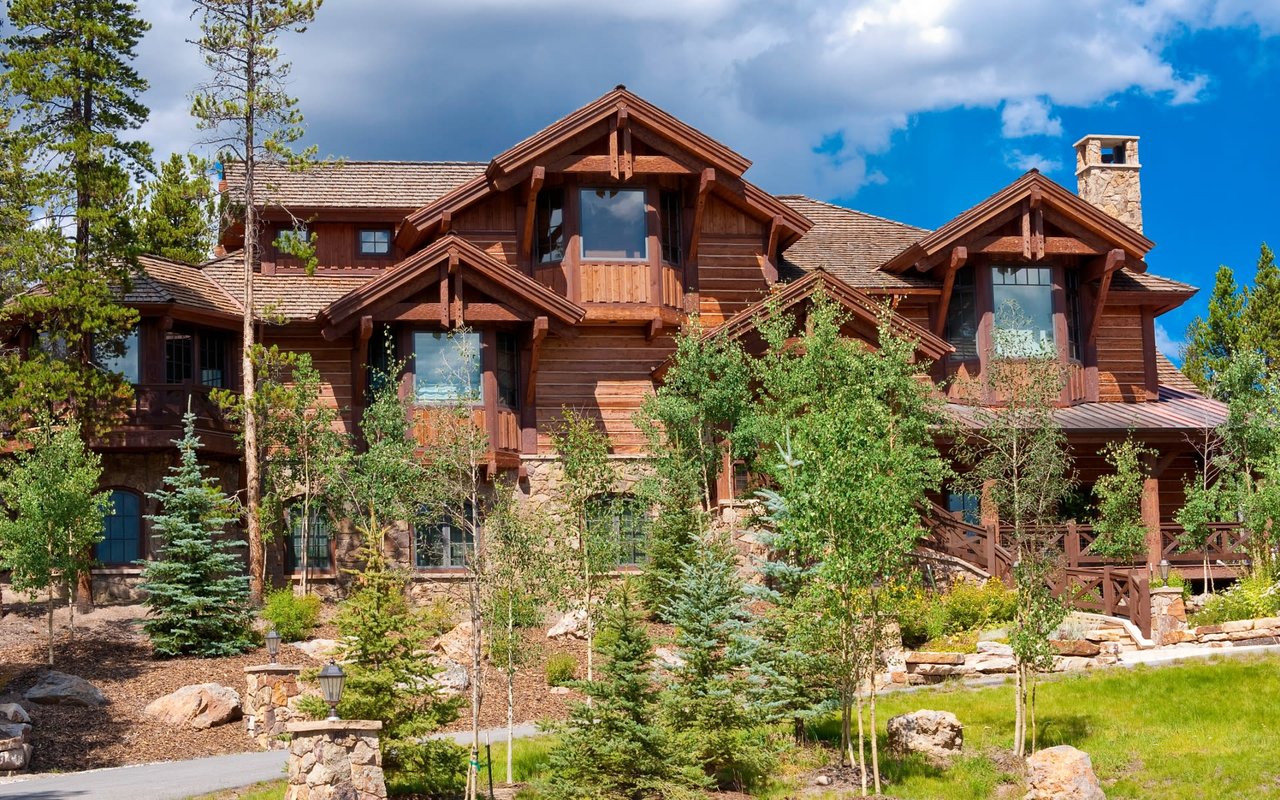
How I Help Buyers Find the North Lake Tahoe Neighborhood That Actually Fits the Way They Want to Use Their Home
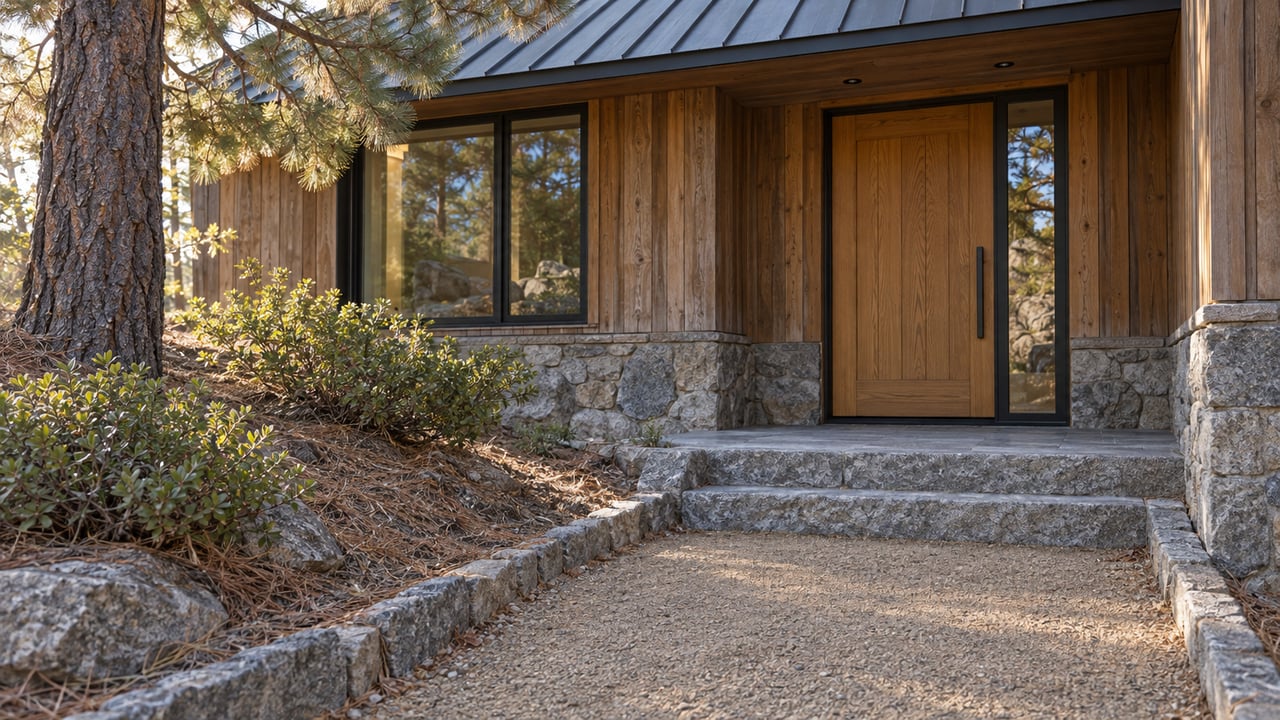

Lake Tahoe Real Estate
The things longtime homeowners stop noticing—and buyers see immediately.
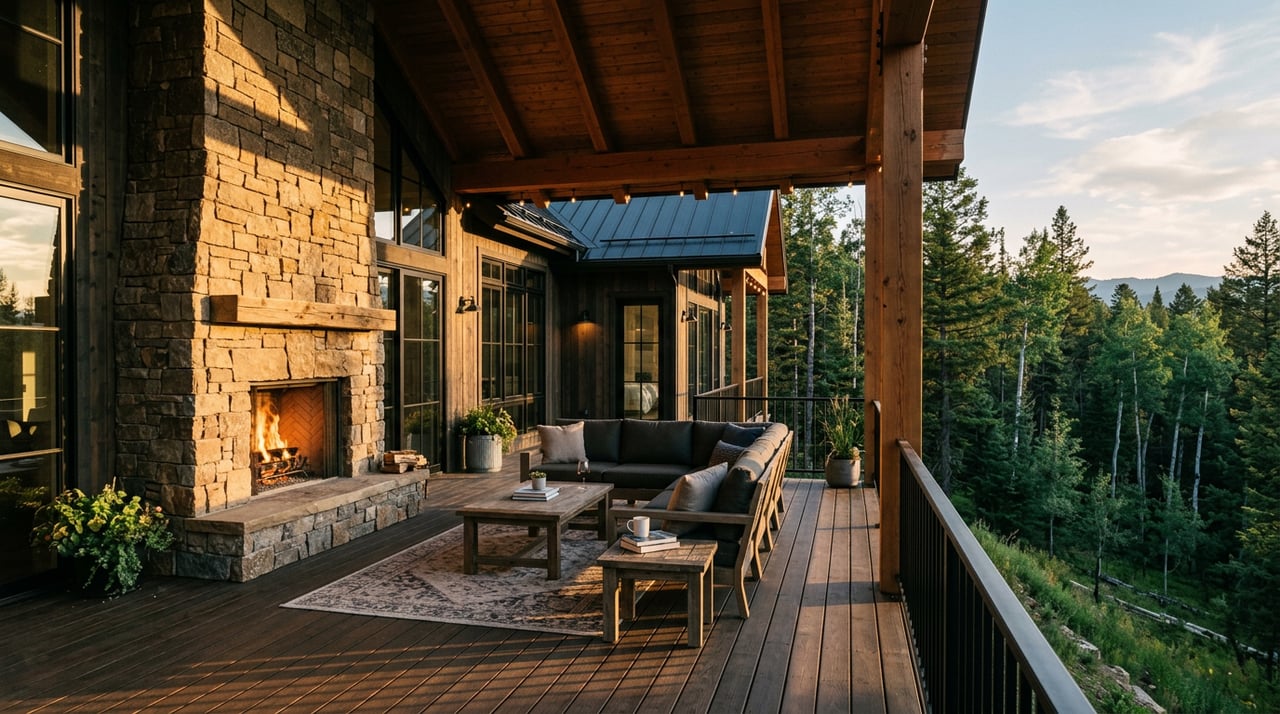
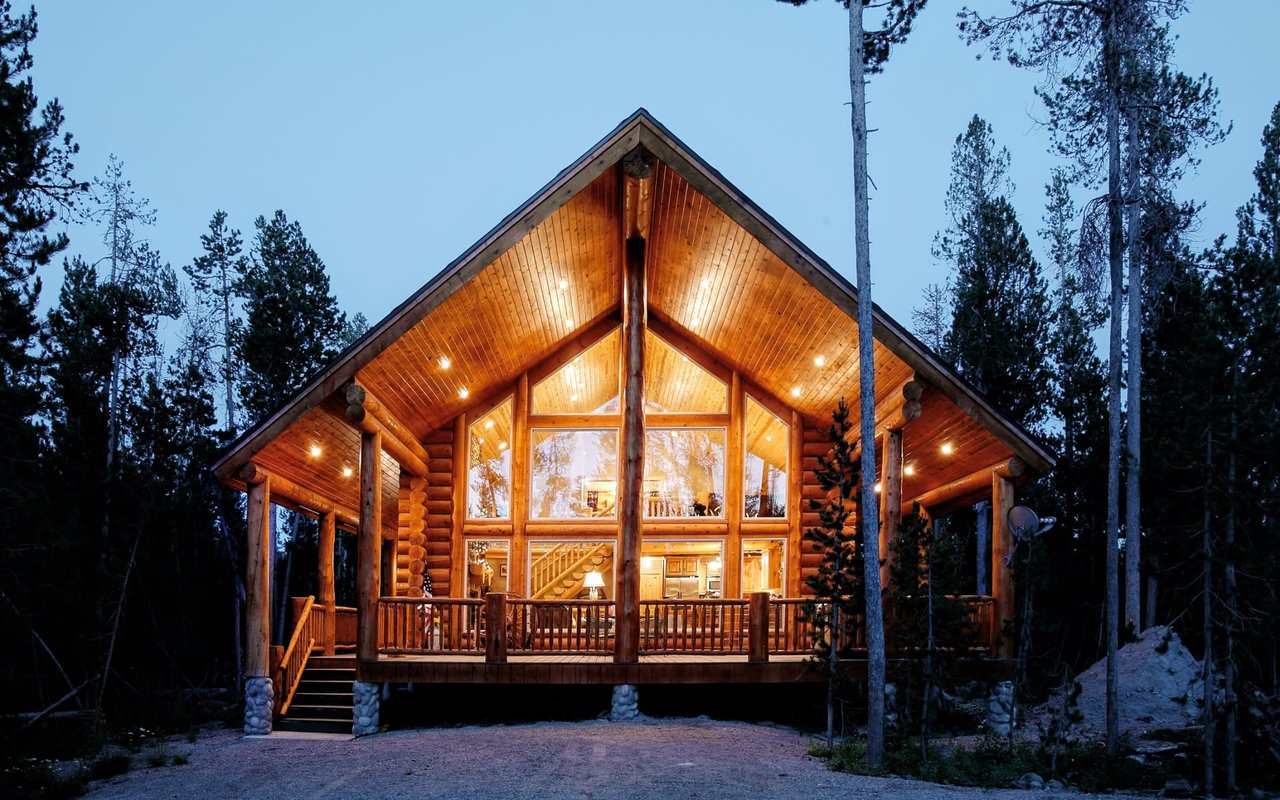
The local factors that can make two seemingly similar Tahoe homes sell for very different prices.
Whether you’re searching for a primary home, a Tahoe getaway, an investment property, or preparing to sell a home you’ve loved for years, my goal is to make the process as seamless as possible while protecting your interests every step of the way. For me, real estate isn’t just about the transaction — it’s about building relationships and being someone my clients can continue to rely on long after closing.
Rebecca Smith
(530) 386-6556
[email protected]
SMITH, REBECCA LYNN | CA DRE# 02196418 | NV #S.0200883
SMITH, CHRISTOPHER KELLY | CA DRE# 01100871
5249 N LAKE BLVD CARNELIAN BAY, CA 96140