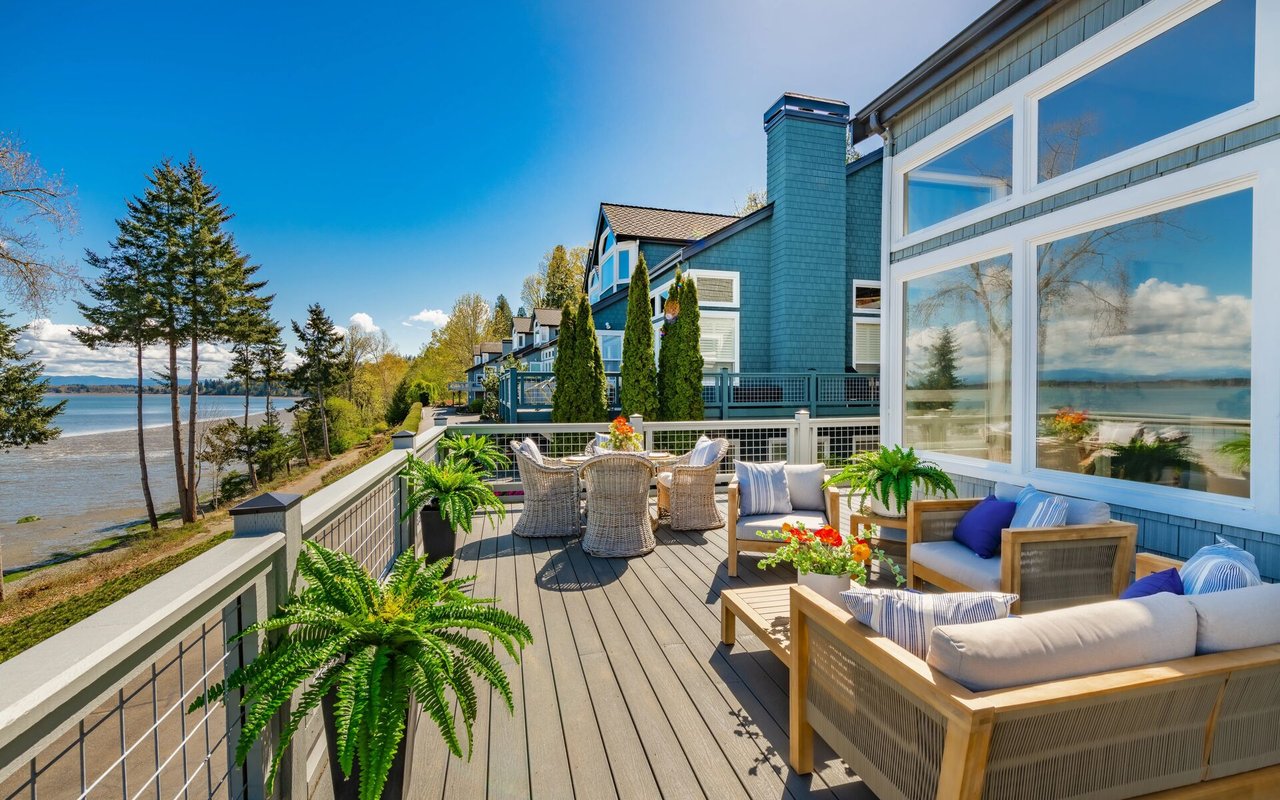
Buying a Home in Lake Tahoe: What Everyone Googles (and What You Actually Need to Know)

If you’ve ever typed “Is Lake Tahoe a good place to buy a home?” or “What should I know before buying real estate in Lake Tahoe?” into Google, you’re not alone. These are by far some of the most researched questions I see from buyers—locals, second‑home shoppers, and investors alike.
Lake Tahoe is an incredible place to own property, but it’s also very different from buying a home in a typical city. Let’s break down what people are really searching for and the things you actually need to know before you buy.
Short answer: yes—but only if it fits your goals.
Lake Tahoe real estate holds long‑term value extremely well because of limited inventory, strict building regulations, and constant demand. There’s only so much land around the lake, and you can’t just build endlessly. That scarcity is a big reason Tahoe continues to be desirable.
That said, Tahoe isn’t a “get rich quick” market. It rewards patience, long‑term ownership, and buyers who understand the nuances of mountain living.
This is one of the most underestimated parts of buying in Tahoe.
Snow is amazing—until you realize it affects:
Some neighborhoods get significantly more snow than others. Road access, driveway grade, sun exposure, and even tree coverage can make a huge difference in day‑to‑day livability. This is where local knowledge matters more than online listings.
This is by far one of the most searched—and misunderstood—topics.
A huge misconception about Lake Tahoe real estate is that short‑term rentals automatically equal massive cash flow. While some properties can cash flow, most single‑family homes do not once you factor in:
If cash flow is your main goal, properties that tend to perform better are multifamily homes or properties with an ADU. Otherwise, most Tahoe buyers should think of rentals as a way to offset expenses—not replace income.
People Google this one a lot—and for good reason.
Tahoe has layers of regulations that don’t exist in many other markets:
None of these are deal‑breakers, but they do impact what you can and can’t do with a property. Skipping this step is one of the biggest mistakes buyers make.
For the right buyer, absolutely.
Tahoe tends to perform best for people who:
Many of my happiest clients buy with a mix of personal enjoyment + smart financial planning, not just numbers on a spreadsheet.
Lake Tahoe real estate isn’t one‑size‑fits‑all, and that’s exactly why people research it so heavily. The buyers who do best here are the ones who understand the market before they fall in love with a listing.
If you’re thinking about buying in Lake Tahoe and want honest advice (not hype), I’m always happy to help you figure out if it actually makes sense for you.
Lake Tahoe is special—but buying here should feel informed, not overwhelming.
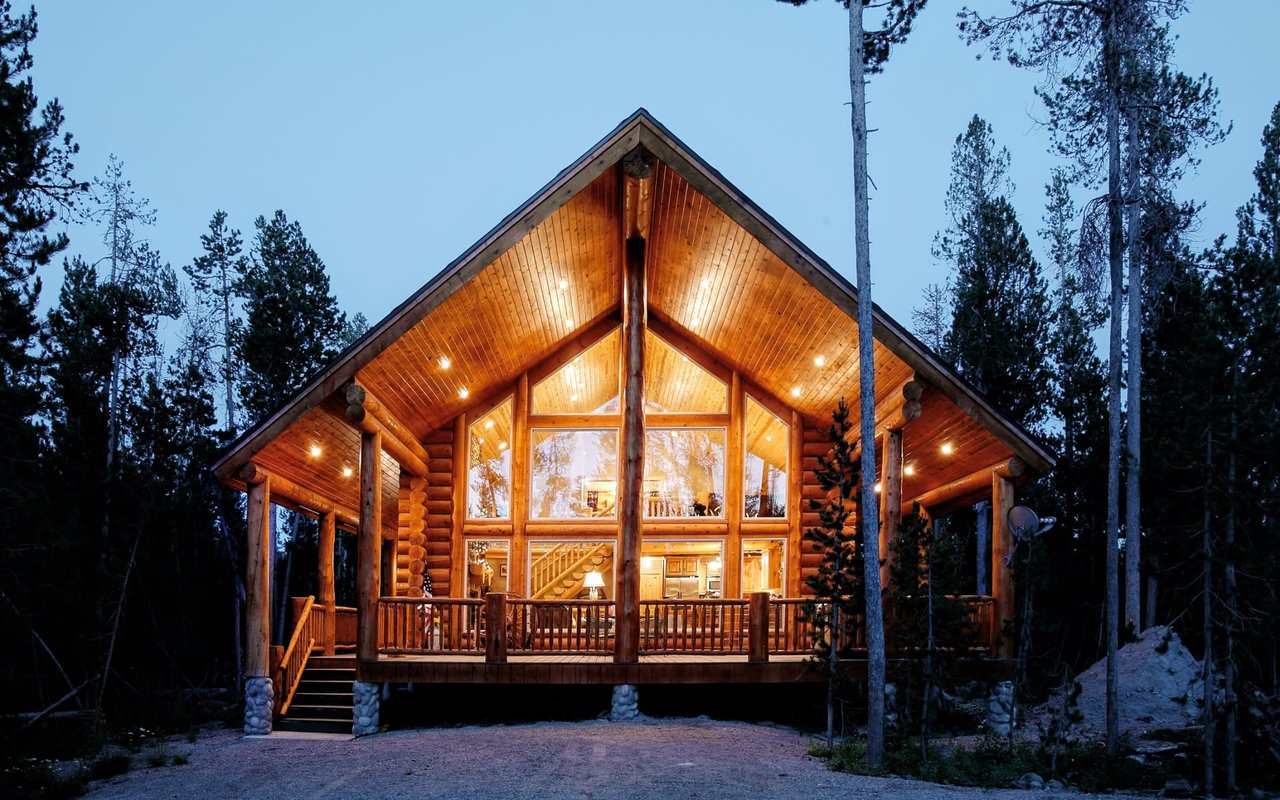
The local factors that can make two seemingly similar Tahoe homes sell for very different prices.


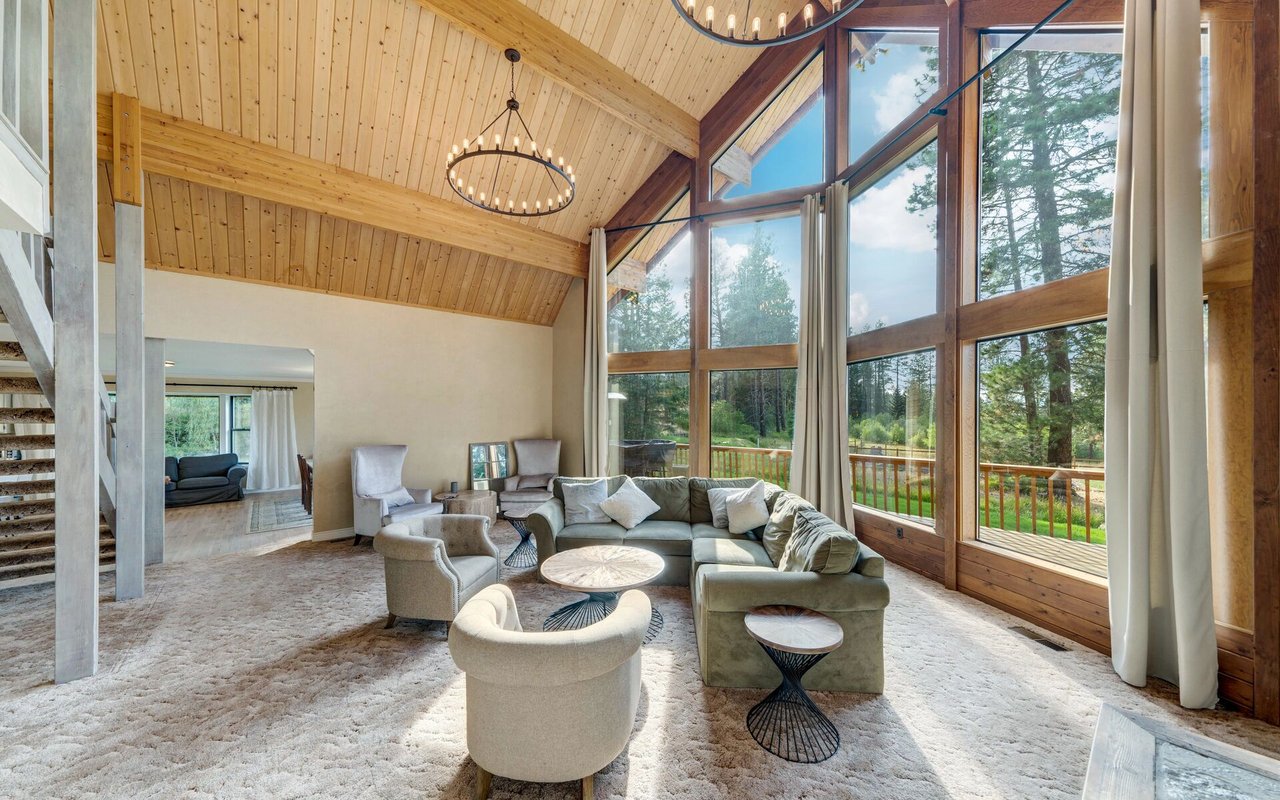
Before Making the Leap to Life on the Lake
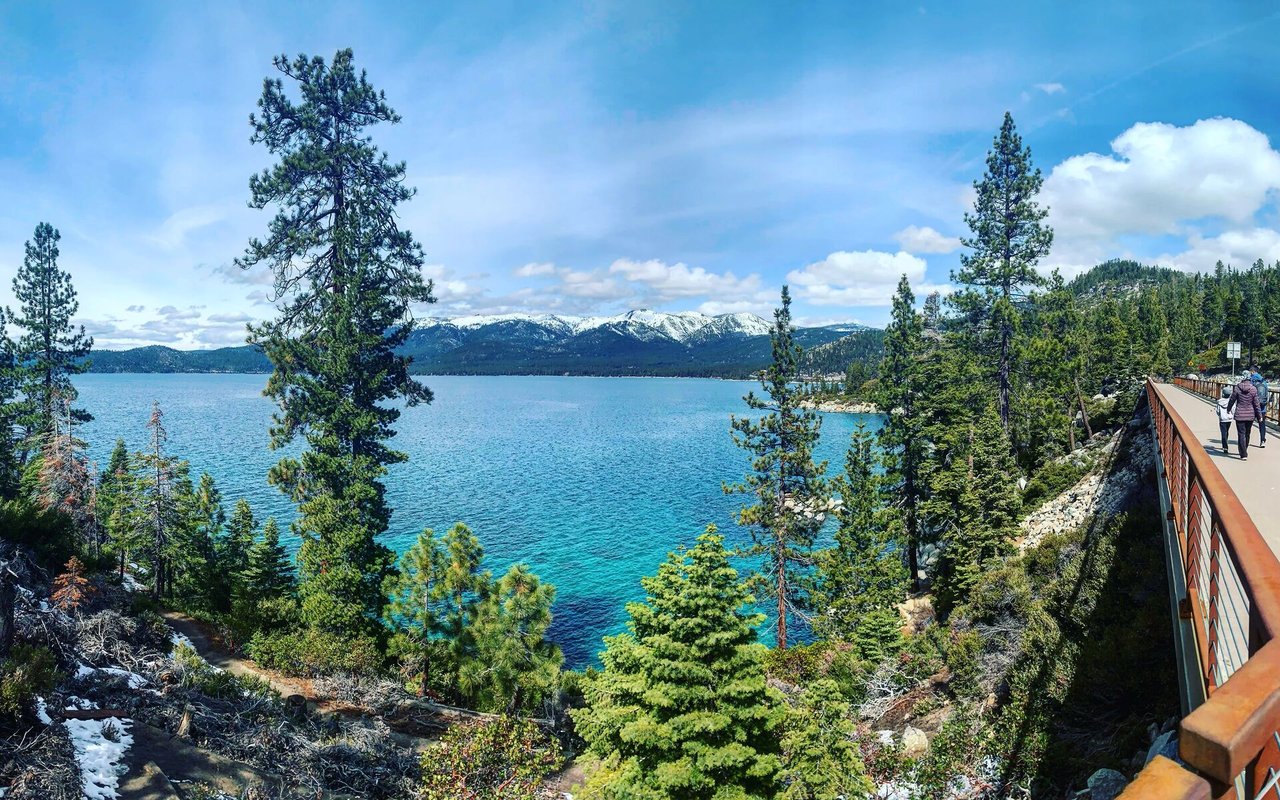
Everyone loves different towns around Lake Tahoe for different reasons.
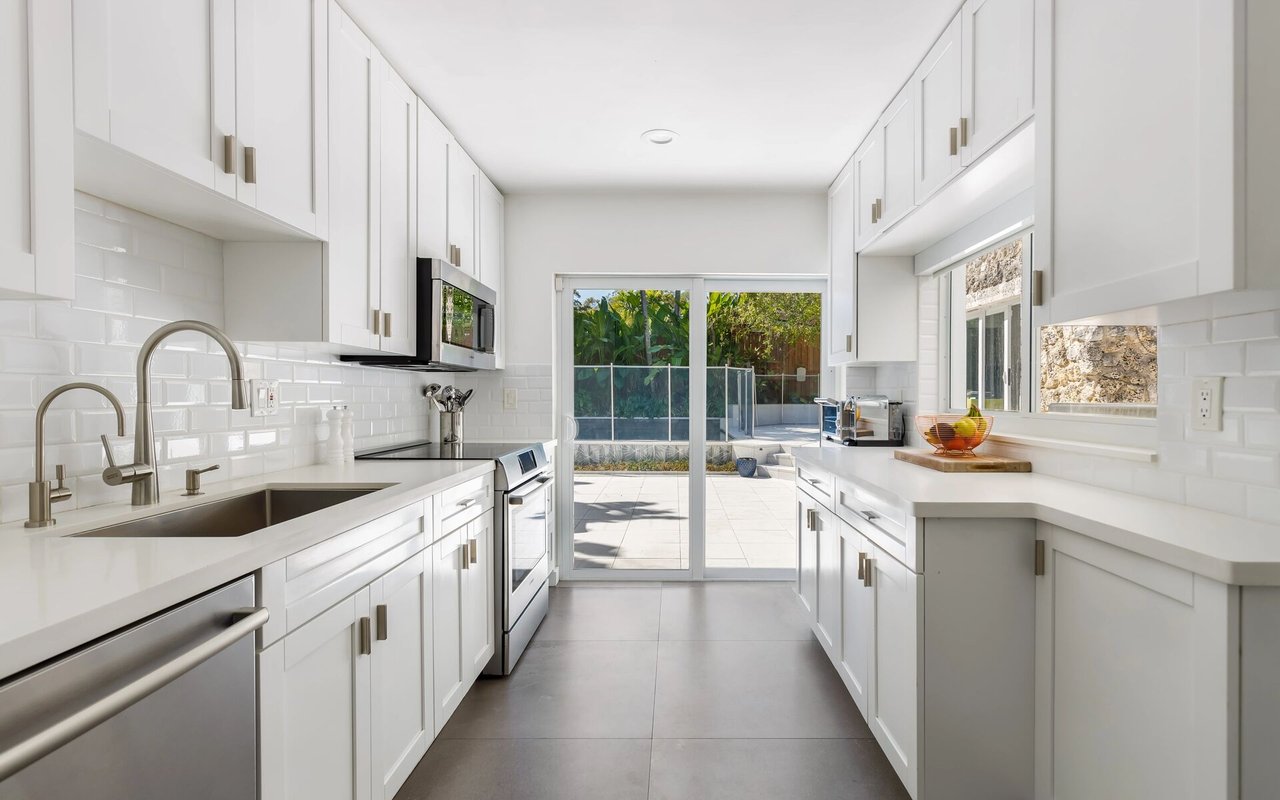
Kings Beach is a fantastic option for buying a vacation home.
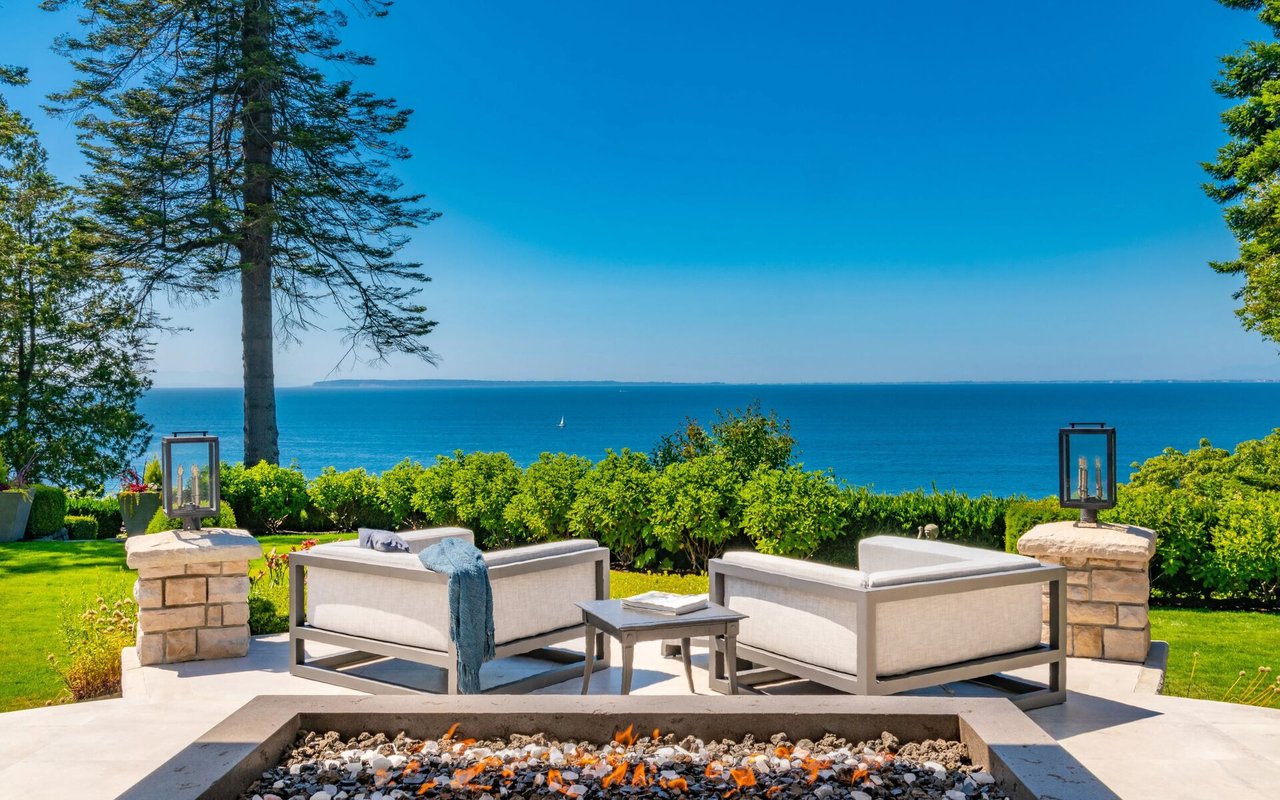
July is also one of the most active months in the local real estate market.
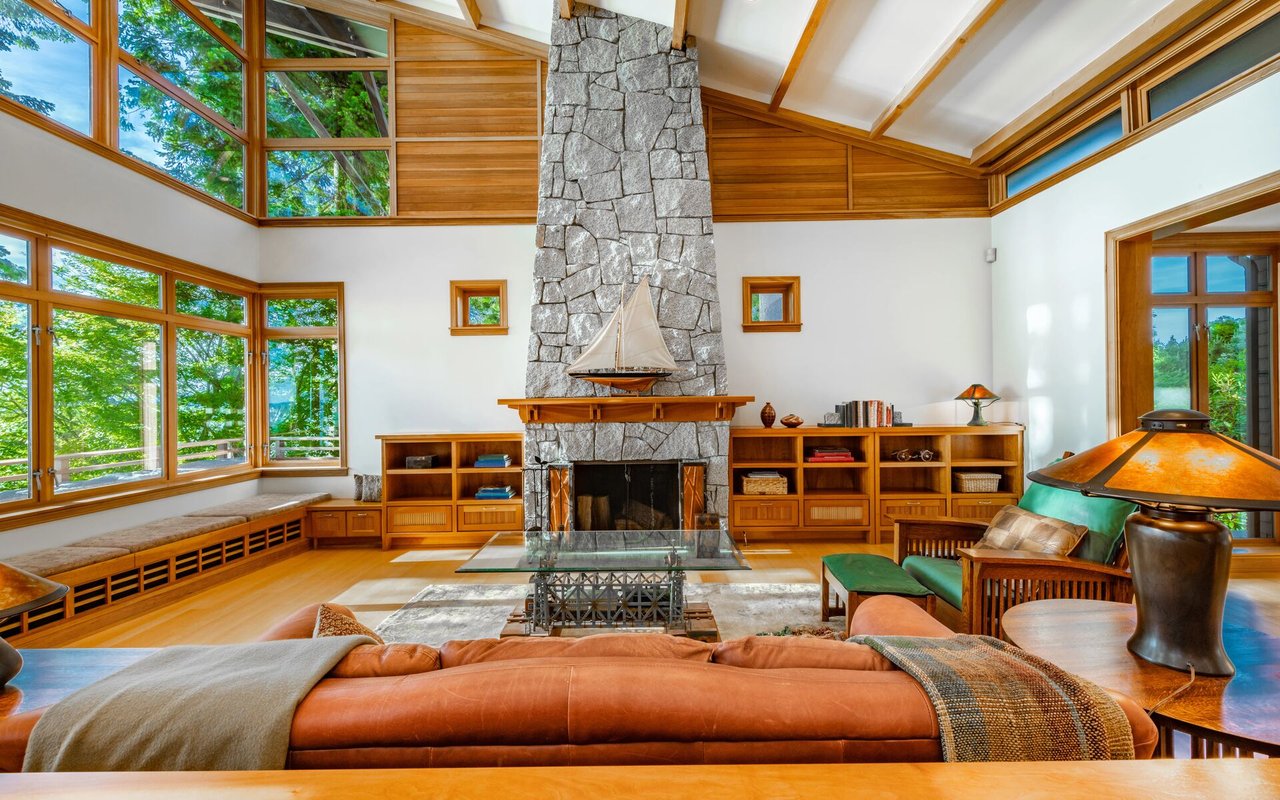
Why Zestimates Fall Short in a Market Built on Custom Homes
Lake Tahoe is special—but buying here should feel informed, not overwhelming.
Whether you’re searching for a primary home, a Tahoe getaway, an investment property, or preparing to sell a home you’ve loved for years, my goal is to make the process as seamless as possible while protecting your interests every step of the way. For me, real estate isn’t just about the transaction — it’s about building relationships and being someone my clients can continue to rely on long after closing.
Rebecca Smith
(530) 386-6556
[email protected]
SMITH, REBECCA LYNN | CA DRE# 02196418 | NV #S.0200883
SMITH, CHRISTOPHER KELLY | CA DRE# 01100871
5249 N LAKE BLVD CARNELIAN BAY, CA 96140